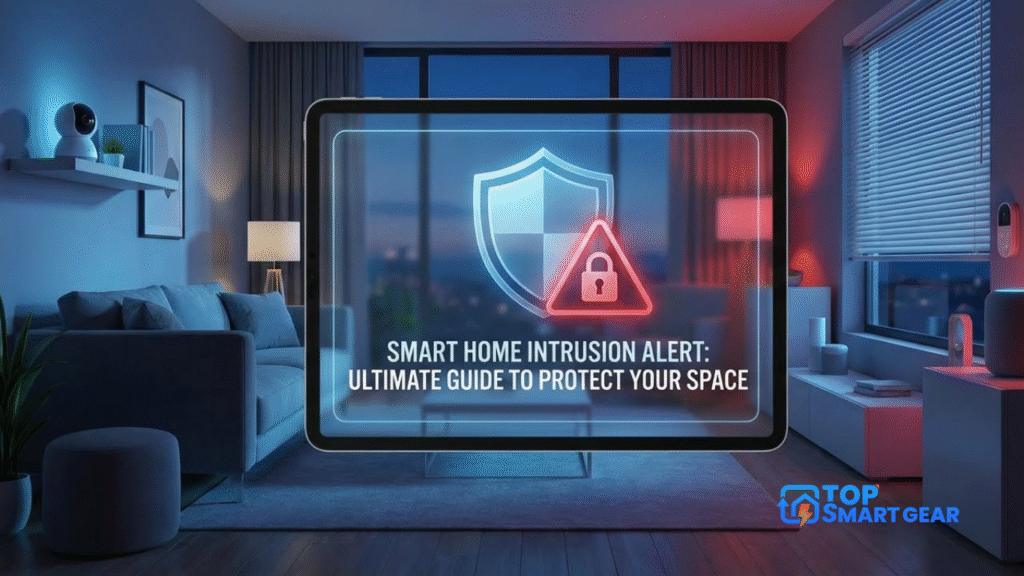
Imagine waking up in the middle of the night and instantly knowing if someone is trying to break into your home. A Smart Home Intrusion Alert keeps your loved ones and belongings safe—without constant worry.
That’s where an intelligent home breach notification system comes in. It gives you real-time updates and peace of mind, no matter where you are. You’ll discover how these smart systems work, why they are a game-changer for home security, and how easy it is to set one up.
Keep reading to learn how you can make your home safer today.
Benefits Of Smart Home Security
Smart home security offers many benefits that protect your home and give you peace of mind. It helps you stay aware of any unusual activity. It also lets you control your home’s safety from anywhere. These systems are easy to use and provide reliable protection.
Real-time Alerts
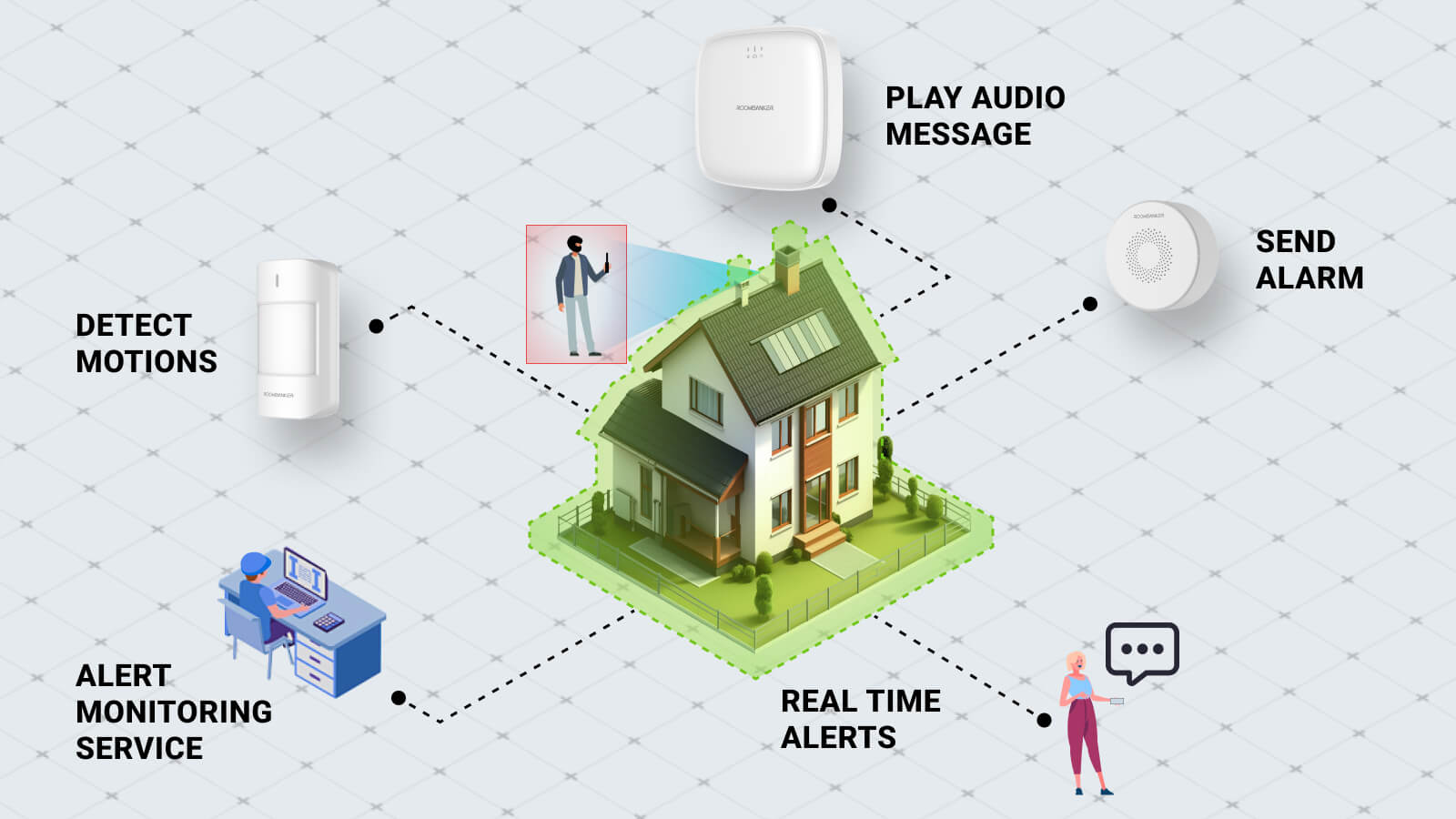
Smart home security sends instant alerts to your phone. You get notified about any suspicious movement or door opening. These alerts help you act quickly to protect your home. No need to wait or guess what is happening.
Remote Monitoring
You can watch your home from anywhere using your smartphone. Live video feeds show what is happening in real time. This feature allows you to check on family or pets. It also helps you feel safe when you are away.
Integration With Other Devices
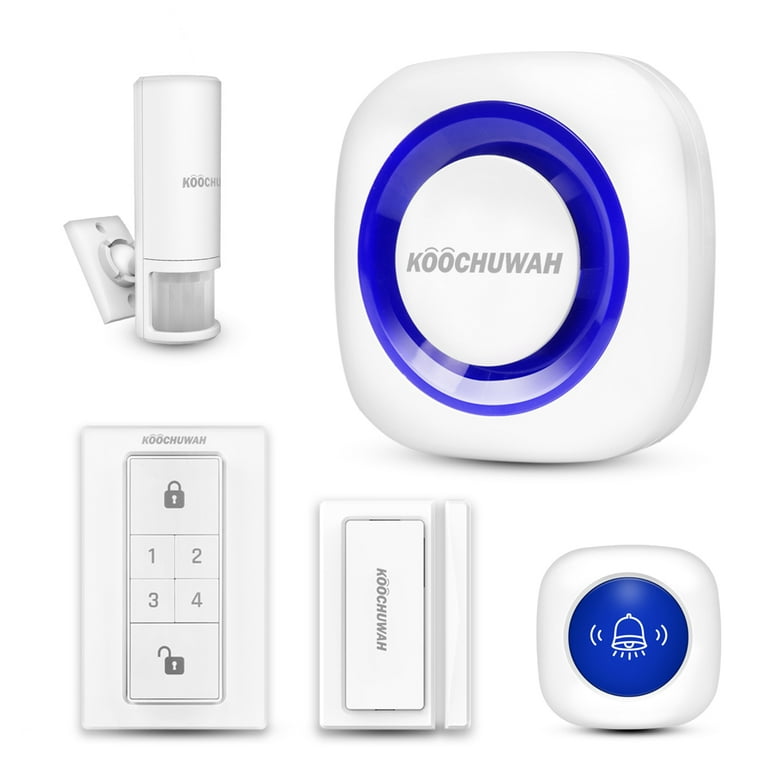
Smart security works with other smart devices in your home. It can connect to lights, alarms, and locks. This connection creates a stronger security system. For example, lights can turn on automatically if an alarm sounds. Everything works together to keep your home safe.
Credit: www.walmart.com
Common Intrusion Threats
Home security faces many threats today. Understanding these threats helps you protect your smart home better. Common intrusion threats range from physical break-ins to digital attacks. Each type poses unique risks and requires different defenses. Awareness is the first step to strengthen your home’s safety.
Forced Entry
Forced entry means breaking doors or windows to enter a home. Burglars often use tools to pry locks or smash glass. This method is loud and quick. Security systems with loud alarms can scare off intruders fast. Reinforced doors and strong locks reduce the risk of forced entry.
Window And Door Tampering
Intruders may try to tamper with windows or doors quietly. They might jiggle locks or lift windows to find weak spots. Some use special tools to unlock doors without damage. Smart sensors on windows and doors detect tampering attempts. Alerts sent to your phone notify you immediately.
Cyber Attacks On Smart Devices
Smart homes rely on connected devices, making cyber attacks a real threat. Hackers try to access cameras, alarms, or locks remotely. Weak passwords and outdated software increase vulnerability. Regular updates and strong passwords protect your devices. Secure networks and firewalls add extra defense against hackers.
Key Features Of Intrusion Alert Systems
Intelligent home security alert systems protect your home from break-ins and threats. They use different tools to detect and warn about suspicious activity. These systems are smart, fast, and reliable. They help keep your family and property safe.
Several key features make intrusion alert systems effective. Each feature plays a special role in detecting and alerting you about dangers. Understanding these features can help you choose the best system for your home.
Motion Detection
Motion detection senses movement inside or near your home. Sensors use infrared or other technology to spot any motion. They trigger alerts if someone moves where they should not. This feature helps catch intruders early and prevents unwanted entry.
Glass Break Sensors
Glass break sensors listen for the sound of breaking glass. They can detect windows or glass doors being shattered. These sensors alert you quickly to possible forced entry. They add an extra layer of protection to vulnerable areas.
Video Surveillance
Video surveillance records live footage of your home and surroundings. Cameras monitor both indoors and outdoors. You can watch the videos in real time or later. This feature helps identify intruders and supports police investigations.
Alarm Notifications
Alarm notifications send instant alerts to your phone or other devices. They inform you about detected threats or suspicious activity. Some systems also alert security companies or local authorities. This feature ensures you respond quickly to protect your home.
Choosing The Right Smart Security System
Choosing the right smart security system is important for your home safety. The system must fit your lifestyle and needs. It should be easy to use and reliable. Many options exist, so understanding key factors helps in making a good choice.
Consider how the system connects, works with your devices, and fits your budget. These points guide you to a system that protects your home well and suits your daily routine.
Wired Vs Wireless Systems
Wired systems use cables to connect sensors and cameras. They are often more stable and harder to hack. Installation can take longer and may need professional help.
Wireless systems use Wi-Fi or other signals to connect devices. They are easier to install and can be moved if needed. Sometimes, wireless signals can be weak or interrupted.
Compatibility With Smart Home Devices
Check if the security system works with your smart devices. This includes voice assistants, lights, and locks. Good compatibility allows you to control everything from one app.
Systems that connect well make your home smarter and safer. They help create routines, like turning on lights when an alarm sounds.
Budget Considerations
Smart security systems come in many price ranges. Think about the upfront cost and any monthly fees. Some systems need subscriptions for cloud storage or extra features.
Choose a system that fits your budget but still meets your security needs. Avoid paying for features you do not use.
Installation Tips For Maximum Protection
Proper installation of your intelligent home security alert system is key to strong protection. Small steps during setup can stop threats before they start. Each device needs careful placement and configuration for the best results.
Focus on sensor locations, entry points, and network safety. These factors work together to keep your home secure and give you peace of mind.
Strategic Sensor Placement
Place sensors where intruders are likely to pass. Corners of rooms and hallways catch most movement. Avoid placing sensors near heaters or windows with direct sunlight. These can cause false alarms.
Install motion detectors at about 6 to 8 feet high. This height covers the area well and avoids pets triggering alerts. Use door and window sensors on all main access points. These catch any forced entry quickly.
Securing Entry Points
Focus on doors and windows as primary access points. Reinforce these with high-quality sensors. Use smart locks for extra control and notifications. Check that sensors fit tightly and are not loose.
Test each sensor after installation. Make sure it triggers alerts properly. Add sensors to less obvious entrances like basement doors or garage gates. Every entry point counts in a strong defense.
Network Security Measures
Protect your smart home system from cyber threats. Change default passwords to strong, unique ones. Use two-factor authentication if available for your devices.
Keep your system’s software updated regularly. Updates fix security holes and improve performance. Connect devices on a separate network from your personal computers. This limits risks if one device is hacked.
Maintaining And Testing Your System
Maintaining and testing your smart home intrusion alert system is essential. It keeps your home safe and your system reliable. Regular care helps spot problems early. It ensures your alerts work when you need them most.
Regular Software Updates
Software updates improve system security and fix bugs. They add new features and enhance performance. Keep your system connected to the internet for automatic updates. Check for updates manually if needed. Updated software protects against new threats.
Battery Checks
Batteries power many parts of your system. Low batteries can cause false alarms or missed alerts. Test batteries monthly. Replace them before they run out. Use high-quality batteries for best results. Keep spare batteries handy for quick changes.
Routine System Tests
Testing your system shows if it works properly. Run tests on sensors, alarms, and notifications. Test each device every month. Follow the manufacturer’s instructions for testing. Fix any issues immediately. Regular tests keep your system ready at all times.
Responding To Intrusion Alerts
Responding quickly to intrusion alerts is key to keeping your home safe. Knowing what steps to take can help reduce risk and protect your family. Acting fast and smart can stop problems before they grow.
Verifying The Alert
Check the alert carefully to see if it is real. Look at video feeds or sensor data to confirm. False alarms can happen. Make sure the alert is not a mistake before taking action.
Notifying Authorities
Contact the police right away if the alert is real. Provide your address and details about the situation. Prompt notification helps authorities respond quickly. It can prevent damage or theft.
Using Automated Responses
Set your smart home system to react automatically. It can turn on lights or sound alarms to scare off intruders. Automated locks can secure doors instantly. These responses add a layer of protection when you cannot act fast.

Credit: www.shutterstock.com
Future Trends In Smart Home Security
Smart home security is evolving quickly. New technologies make homes safer and smarter. The future will bring more advanced and user-friendly features. These features will help protect homes better than before. Let’s explore some key trends shaping smart home intrusion alerts.
Ai-powered Detection
Artificial intelligence helps detect threats more accurately. AI can learn to recognize normal and suspicious activities. It reduces false alarms by understanding context. Cameras and sensors with AI can spot unusual behavior. This means faster alerts for real dangers. AI also improves over time with more data.
Integration With Smart Neighborhoods
Homes will connect with neighbors through smart systems. This creates a network to share security alerts quickly. If one home detects an intrusion, nearby homes get notified. It builds a community watch powered by technology. Sharing information helps prevent crimes more effectively. Smart neighborhoods make each home safer together.
Enhanced Privacy Features
Privacy remains a top concern in smart security. Future devices will protect user data more strongly. Encryption and local data storage will keep information safe. Users will control what data is shared and with whom. Privacy settings will be easy to manage. Security will improve without sacrificing privacy rights.
Credit: www.roombanker.com
Frequently Asked Questions
What Is A Smart Home Intrusion Alert System?
A smart home intrusion alert system detects unauthorized entry using sensors and cameras. It instantly notifies homeowners via apps or alarms. This enhances security by enabling quick responses to potential threats.
How Do Smart Home Intrusion Alerts Work?
These alerts use motion detectors, door/window sensors, and cameras. When triggered, they send real-time notifications to your smartphone or security service. This allows immediate action to protect your home and family.
Are Smart Home Intrusion Alerts Easy To Install?
Yes, most systems are designed for DIY installation with user-friendly instructions. They connect wirelessly to your home network, making setup quick and hassle-free. Professional installation is optional for advanced setups.
Can Smart Home Alerts Reduce Burglary Risks?
Absolutely. Visible sensors and prompt alerts deter intruders effectively. Real-time notifications ensure swift intervention, reducing the chance of theft or damage. They enhance overall home security and peace of mind.
Conclusion
Smart home intrusion alerts help keep your home safe. They notify you quickly about any unusual activity. This lets you act fast and protect your family. Many systems are easy to install and use. They work with your phone or other devices.
Choosing the right alert system gives you peace of mind. Stay aware, stay secure. Your home deserves smart protection every day.