Your home is your safe place, and protecting it should be simple and effective. A Home Security Detector can be the key to giving you peace of mind, whether you’re at work, on vacation, or just relaxing inside.
Imagine having a reliable system that alerts you instantly if something’s wrong—helping you act fast and keep your loved ones safe. You’ll discover how these detectors work, why they’re essential, and how to choose the right one for your home.
Ready to make your home smarter and safer? Keep reading to find out how.
Types of Smart Security Detectors
Home security systems play a key role in keeping your house safe. Different types of detectors protect against various dangers. Each type serves a unique purpose. Knowing about them helps you choose the right system.
Motion Sensors
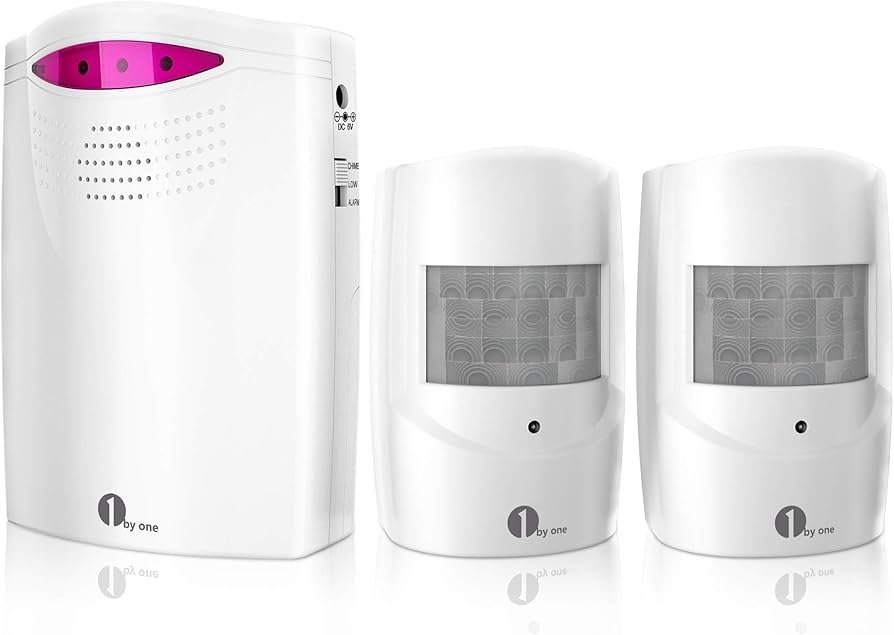
Motion sensors detect movement inside or outside your home. They send alerts when they sense unexpected activity. These sensors help prevent intruders from entering. They also save energy by turning lights on only when needed.
Glass Break Sensors
Glass break sensors listen for the sound of breaking glass. They detect window or door break-ins quickly. These sensors trigger alarms to warn you of forced entry. They offer extra protection for vulnerable glass areas.
Smoke And Fire Detectors
Smoke and fire detectors sense smoke or heat from fires. They alert you early to prevent injury or damage. These detectors are essential for every home. They give you time to escape safely.
Carbon Monoxide Detectors
Carbon monoxide detectors find invisible, odorless gas leaks. This gas is dangerous and can cause serious illness. The detectors sound alarms to protect your family. They are lifesavers in homes with gas appliances.
Water Leak Detectors
Water leak detectors spot unwanted water in places like basements. They help prevent costly water damage and mold growth. These detectors alert you to leaks early. They protect your home’s foundation and belongings.
Credit: www.amazon.com
Choosing The Right Detector For Your Home
Choosing the right home security detector is important for your safety. Each home has different needs and risks. Picking the best detector helps protect your family and belongings effectively. Consider your home’s layout and potential weak spots before buying.
Assessing Your Home’s Vulnerabilities
Look around your home for possible entry points. Doors, windows, and garages are common weak spots. Think about areas with poor lighting or low visibility. These places need extra attention when choosing detectors. Understanding vulnerabilities helps select the right type and number of devices.
Indoor Vs Outdoor Detectors
Indoor detectors watch your home’s inside areas. They detect movement, smoke, or carbon monoxide. Outdoor detectors cover your yard, driveway, or front door. These devices should resist weather and false alarms. Combine both types for complete protection.
Wireless Vs Wired Systems
Wireless detectors are easy to install and move. They work well in homes without existing wiring. Wired systems offer constant power and fewer interruptions. They need professional setup and can be harder to change. Choose based on your home’s structure and your budget.
Smart Home Integration
Smart detectors connect to your phone or home system. They send alerts instantly and allow remote control. Integration with cameras and alarms adds convenience. Make sure devices work with your current smart technology. This feature improves monitoring and quick response.
Installation Tips And Best Practices
Installing a smart home security system is an important step to protect your house and loved ones. Proper installation helps security sensors work accurately and deliver real-time alerts when unusual activity occurs. Following a few simple tips can make setting up your intrusion detection devices easier, improve home safety monitoring, and ensure more reliable protection.
These best practices help avoid errors and keep the detector reliable. Learn how to place sensors, avoid common mistakes, and maintain good performance.
Ideal Sensor Placement
Place sensors near entry points like doors and windows. These spots quickly catch any movement or break-ins. Install detectors at a height between 6 and 8 feet for optimal coverage. Avoid placing sensors near heat sources or vents. These can cause false alarms. Corners of rooms often work well to cover wide areas.
Avoiding Common Installation Mistakes
Do not install detectors too close to kitchen appliances. Steam and heat can trigger false alarms. Avoid placing sensors behind curtains or furniture. These objects block the detector’s view. Make sure to follow the manufacturer’s instructions carefully. Skipping steps can reduce the detector’s effectiveness. Test your system after installation to confirm it works properly.
Maintaining Detector Performance
Regularly clean sensors to remove dust and dirt. Dust can block sensors, leading to errors. Replace batteries every six months or when low. Check for software updates if your system supports them. Test detectors monthly to ensure they respond correctly. Keep the detector free from damage and avoid moving it too often.
Advanced Features To Look For
Choosing a home security detector with advanced features helps keep your home safer. These features add convenience and improve protection.
Below are key features to consider for better security and ease of use.
Remote Monitoring
Remote monitoring lets you check your home from anywhere. Use a phone or computer to see your security status. This feature helps you act fast in emergencies. It gives peace of mind when you are away.
Mobile Alerts And Notifications
Get instant alerts on your phone for any unusual activity. Notifications help you respond quickly to threats. They keep you informed without needing to watch the system all the time. Alerts can include sounds, movements, or alarms triggered.
Battery Life And Power Backup
Long battery life ensures your detector works even during power cuts. A power backup keeps the system running without interruption. This feature prevents security gaps during blackouts or outages. Choose detectors with reliable battery performance.
Integration With Security Cameras
Connecting detectors to security cameras improves overall protection. Cameras provide visual proof of any incidents. Integration allows automatic recording when detectors sense danger. This feature helps identify threats quickly and accurately.
Cost And Budget Considerations
Choosing a residential security system requires careful consideration of your budget and overall expenses. The right solution should align with your financial plan while still providing dependable home safety protection. Understanding the various costs of security systems helps you plan more effectively. These expenses often include purchasing security devices and sensors, installation fees, and ongoing monitoring or maintenance charges. Knowing all related costs gives you better control over spending and helps you select a solution that offers strong protection and good long-term value.
Comparing Detector Prices
Home security detection devices vary in price depending on features and performance. Basic residential security sensors are more affordable but usually offer limited functionality. Advanced smart security systems cost more and include features like motion sensing, wireless alerts, and app-based monitoring. Pricing often depends on the brand, technology used, and sensor type. Comparing prices from multiple sellers helps you find the best deal. Lower-cost options may lack key home-safety features, so balancing price and quality ensures better long-term value.
Installation And Maintenance Costs
Installation costs depend on detector type and home layout. Some detectors are easy to install by yourself. Others need professional help, adding to the cost. Regular maintenance keeps your system working well. Batteries may need replacing often. Software updates could be necessary. Budget for these ongoing expenses to avoid surprises.
Value Of Professional Monitoring Services
Professional monitoring services add an extra layer of security. Experts watch your system 24/7 and alert authorities if needed. This service usually requires a monthly fee. Some plans include automatic emergency response. Decide if this service fits your budget and needs. It can provide peace of mind beyond the detector alone.
Common Challenges And How To Overcome Them
Home security detectors face some common challenges. These issues affect their performance and reliability. Understanding these problems helps keep your home safe. Simple steps can solve many common problems.
False Alarms
False alarms can be annoying and stressful. They happen when detectors sense harmless movements. Pets, insects, or moving curtains may trigger alarms. Adjust the detector’s sensitivity to reduce false alerts. Place sensors away from busy areas or vents. Regularly clean sensors to avoid dust buildup.
Signal Interference
Signal interference weakens detector communication. Other wireless devices, like routers or microwaves, cause interference. Thick walls and metal objects block signals. Position detectors closer to the control panel. Use devices that operate on different frequencies. Regularly check for new devices that may be causing signal problems.
Detector Malfunctions
Malfunctions reduce detector effectiveness. Dead batteries and loose connections are common causes. Test detectors monthly to ensure proper operation. Replace batteries at least once a year. Keep the detector firmware up to date for best performance. Contact professionals if problems persist despite maintenance.
Enhancing Home Security Beyond Detectors
Home security systems are essential, but they do not provide complete protection on their own. Improving home safety means adding multiple layers of defense. Combining security sensors, smart surveillance, and access control solutions creates a stronger protection network. These layers work together to reduce risks and improve intrusion prevention. Even small upgrades, such as better lighting or smart locks, can make a noticeable difference in overall security.
Locks And Physical Barriers
Strong locks prevent intruders from easily entering. Deadbolt locks are better than simple latches. Use window locks to secure every opening. Physical barriers like security bars add extra protection. Secure gates and fences also keep strangers out. These barriers slow down or stop intruders.
Lighting And Visibility
Good lighting makes your home less inviting to thieves. Motion-activated lights surprise anyone who comes close. Bright lights near doors and windows improve visibility. Keep bushes and trees trimmed to avoid hiding spots. Well-lit areas increase safety and help neighbors see suspicious activity.
Security Cameras And Surveillance
Security cameras monitor your property around the clock. Night-vision cameras capture activity in the dark. Visible cameras can scare off potential thieves. Some cameras send alerts straight to your phone. Surveillance helps you check your home anytime, anywhere. It also provides evidence if needed.
Frequently Asked Questions
What Is a Residential Security Sensor?
A residential security sensor is a device that detects unauthorized entry or potential threats. It helps safeguard your home by sending alerts when danger is detected. Common examples include motion sensors, smoke and fire detectors, and glass break sensors. These devices improve home safety monitoring and provide peace of mind.
How Do Security Sensors Work?
Security sensors use technology to detect movement, smoke, or unusual sounds. When triggered, they send notifications to your smartphone or a monitoring service. This instant alert system allows homeowners to respond quickly to emergencies or intrusions, enhancing overall residential security.
Are smart security detectors Easy To Install?
Yes, most security sensors are simple to install. Many feature wireless technology, so only minimal tools or professional help are needed. They can be positioned on doors, windows, or ceilings for optimal coverage. Quick installation makes smart home security more accessible.
Can home intrusion detection Prevent Burglaries?
While detectors can’t stop burglaries, they deter criminals by increasing risk. The alarms and alerts alert homeowners and authorities quickly. This rapid response often discourages intruders and helps reduce potential damage or theft in your home.
Conclusion
A home security detector helps keep your family safe. It alerts you quickly to any unusual activity. Choosing the right detector can prevent problems before they start. Simple steps, like installing detectors, make a big difference. Everyone deserves peace of mind at home.
Stay aware and protect what matters most. Safety begins with the right tools and habits. Small actions lead to a safer home environment. Trust your instincts and use technology wisely. Your home’s security is always worth the effort.