
Imagine your home watching over you, ready to alert you the moment something feels off. With a Smart Home Alert System, you gain more than just security—you get peace of mind.
Whether you’re at work, on vacation, or just relaxing, these systems keep you connected to your home like never before. Curious how this simple upgrade can protect your loved ones and belongings? Keep reading to discover how an intelligent home monitoring system can make your life safer and easier.
Benefits Of Smart Home Alerts
These systems bring many benefits to everyday life. They help keep your home safe and make managing your space easier. An innovative sensor alert technology sends essential information straight to your phone or device. This way, you stay informed about what is happening in your home at all times.
These systems offer peace of mind by allowing you to act quickly if a problem arises. They save time and reduce stress by giving you control, no matter where you are. Let’s explore some key benefits of smart home alerts.
Real-time Notifications
Smart home alerts provide real-time notifications. You get instant updates on events like door openings or smoke detection. This quick response can prevent damage or danger. Immediate alerts help you take action fast. You never miss important changes in your home.
Remote Monitoring
Remote monitoring lets you check your home from anywhere. Use your phone or tablet to see live video or sensor data. This feature is helpful during travel or work hours. It helps you feel connected and in control. You can monitor pets, children, or any unusual activity remotely.
Enhanced Safety Measures
Smart alerts improve safety by detecting risks early. They warn you about fire, gas leaks, or break-ins. Early warnings reduce harm and protect your family. These systems add extra layers of security. They work with alarms and cameras to keep your home secure.
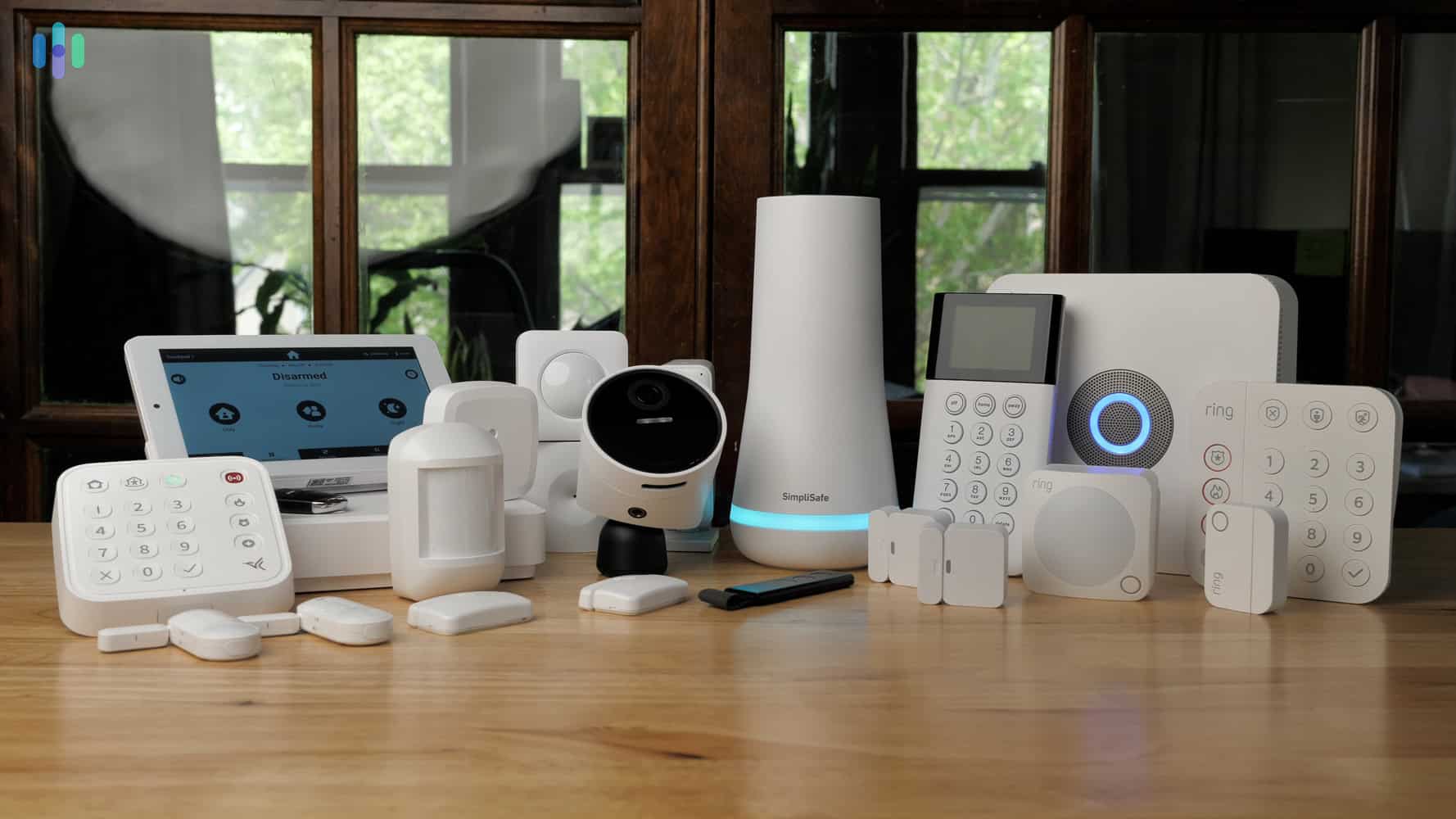
Credit: www.security.org
Key Components Of Alert Systems
These systems keep your home safe and secure. They use different components that work together, each with a specific role. Understanding these elements helps you see how a home safety alert network protects you and your household.
Sensors And Detectors
Sensors and detectors are the first line of defense. They notice unusual events, such as smoke, motion, or glass breaking. These devices send signals when they detect danger. Common types include smoke detectors, motion sensors, and door/window sensors. They watch your home all the time.
Control Hubs
The control hub serves as the system’s brain. It connects all sensors and devices. It processes signals and decides what actions to take. The hub sends alerts to your phone or triggers alarms. It keeps the system running smoothly and safely.
Mobile Apps
Mobile apps let you control the alert system from anywhere. They show real-time updates and alerts. You can arm or disarm the system with a tap. Some apps allow you to check camera feeds and adjust settings. They make managing home security easy and quick.
Choosing The Right System
Choosing the right smart home alert system is vital for safety and ease of use. The right system fits well with your home devices and lifestyle. It should be easy to control and affordable. This section helps you find the best system for your needs.
Compatibility And Integration
Check if the alert system works with your existing smart devices. Some systems only work with specific brands or apps. Choose a system that connects easily to your phone, smart speakers, and other gadgets. This helps you control everything from one place. A well-integrated system saves time and reduces frustration.
User-friendly Features
Look for systems with simple controls and clear alerts. Easy setup is a plus. The system should send notifications quickly and clearly. Voice control and mobile app options make use easier. Choose a system that anyone in your home can use without trouble. Simple features improve your daily experience.
Budget Considerations
Decide how much you want to spend on a connected home alert network. Prices vary by brand and features. Basic setups cost less but may lack advanced functions. Higher-priced options offer enhanced security and added convenience. Choose a system that fits your budget while meeting your needs, and avoid paying for features you won’t actually use.
Installation And Setup Tips
Setting up an advanced home alert setup needs careful planning. Proper installation ensures better security and fewer false alarms. Focus on sensor placement, network protection, and alert testing to get the best results. Follow these simple tips for a smooth setup process.
Optimal Sensor Placement
Place sensors near doors and windows for maximum coverage. Avoid areas with heavy furniture or metal objects that block signals. Install motion detectors in corners for a wider detection range. Keep sensors away from heat sources and direct sunlight. Proper placement reduces false alarms and improves system reliability.
Network Security
Use a strong, unique password for your smart home network. Enable two-factor authentication if available. Keep your system’s software up to date to prevent hacks. Use a separate network for smart devices to limit risks. Secure networks protect your home and personal data.
Testing Alerts
Test your alert system after installation to ensure it works. Trigger sensors to check if notifications are sent immediately. Ask family members to confirm they receive alerts on their devices. Regular testing helps find issues early and keeps your system reliable.
Common Alert Types
These systems keep your home safe by sending quick warnings. The alerts help you respond fast to protect your family and property. They cover many situations that can occur inside or outside your home, allowing a home automation alert device to keep you informed at all times.
Knowing the common types of alerts helps you understand what to expect. Each alert type signals a different kind of danger or problem. Here are the main kinds of alerts used in smart homes.
Intrusion And Motion Alerts
These alerts warn you about unwanted entry or movement in your home. Sensors detect when doors or windows open unexpectedly. Motion detectors catch movement inside rooms or around your property. These alerts notify you immediately on your phone. You can check cameras or call for help if needed.
Fire And Smoke Warnings
Fire and smoke detectors alert you to dangerous conditions. They sense smoke particles or sudden changes in heat. Early warnings save lives by giving time to escape. The system sends loud alarms and phone notifications. This helps prevent damage and keeps everyone safe.
Water Leak And Environmental Alerts
Water leak sensors detect unwanted water in basements or near appliances. These alerts help avoid costly water damage. Environmental sensors monitor air quality, temperature, and humidity. They warn about harmful gases or extreme weather. This information helps maintain a healthy and safe home environment.

Credit: bsgtexas.com
Maintaining Your System
Keeping your intelligent home monitoring system in good shape is important. It helps the system run smoothly and keeps your home safe. Regular maintenance prevents issues before they start and ensures reliable protection for your family and property.
Regular Updates
Smart systems need updates to stay secure and work properly. Updates fix bugs and add new features. Check for updates on your app or device often. Install updates quickly to avoid risks.
Battery Checks
Batteries power your alert system’s sensors and alarms. Weak batteries can cause the system to fail. Test batteries every few months. Replace them as soon as they run low. Use the correct type of battery for best results.
Troubleshooting
Sometimes the system may not work as expected. Start by checking your internet connection and device settings. Restart the system to fix minor errors. Follow the user guide for specific problems. Contact support if issues continue.
Future Trends In Smart Home Security
Smart home security is changing fast. New technology helps protect homes better. These changes make homes safer and smarter. The future will bring more tools that watch and learn. This will help stop problems before they start. Here are some key trends shaping smart home alerts.
AI and Machine Learning
AI helps smart systems learn from data. It can spot unusual actions quickly. Machine learning improves alert accuracy. Systems get better at knowing what is normal. This lowers false alarms and saves time. AI also helps predict threats before they happen.
Integration With Smart Cities
Smart homes will connect with smart city systems. This link shares data to improve safety. Police and emergency services get faster alerts. Traffic and public cameras work with home sensors. This network helps stop crimes early. It creates a safer environment for everyone.
Advanced Biometric Alerts
Biometric technology uses body features for security. Fingerprints, faces, and voices identify people. Smart systems send alerts if unknown users appear. This adds strong protection against intruders. Biometric alerts are quick and hard to fake. They keep homes safer with personal recognition.
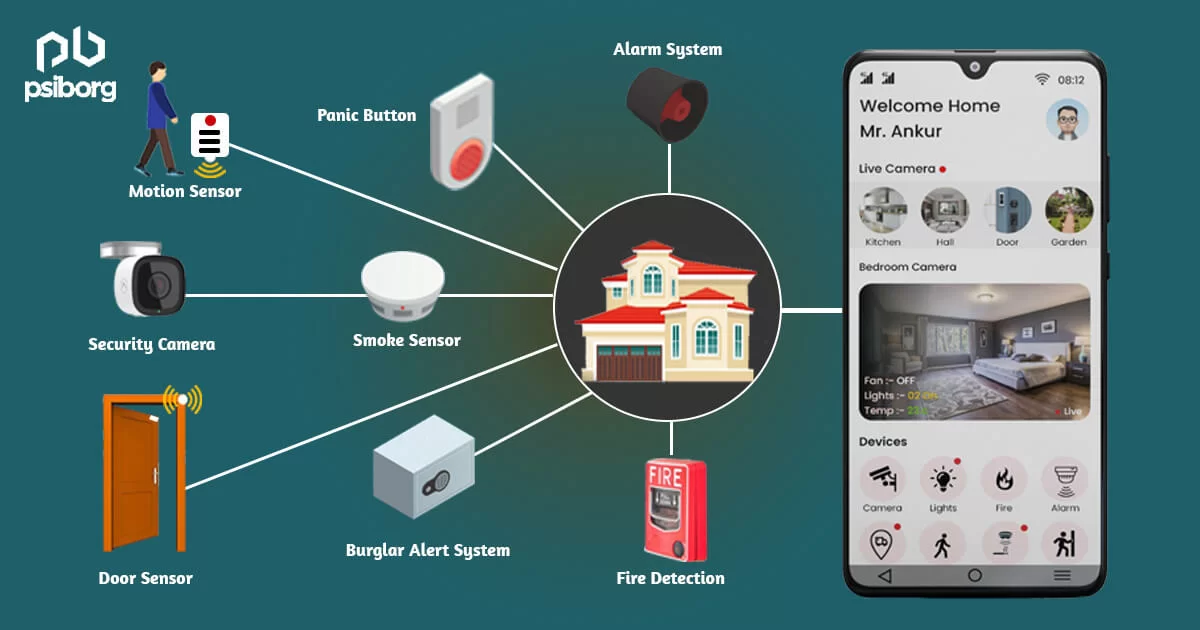
Credit: psiborg.in
Frequently Asked Questions
What Is A Smart Home Alert System?
A smart home alert system monitors your home using sensors and cameras. It sends instant notifications to your smartphone during emergencies or unusual activities.
How Does A Smart Home Alert System Work?
It connects devices to a central hub or app. Sensors detect events like motion or smoke, triggering alerts sent directly to you for quick action.
Are Smart Home Alert Systems Easy To Install?
Yes, most systems offer DIY installation with clear instructions. They use wireless technology, making setup fast without professional help or complex wiring.
Can Smart Home Alerts Prevent Break-ins?
Absolutely. Alerts notify you immediately of suspicious activity, allowing you to respond quickly or alert authorities to prevent theft or damage.
Conclusion
Smart home alert systems keep your home safe and secure. They send quick notifications if something feels wrong. You can control them easily with your phone. These systems help you act fast during emergencies. They also give peace of mind when you are away.
Choosing the right alert system fits your needs and budget. Smart home alerts make daily life safer and simpler. A small step that protects your family and belongings well.