Are you worried about the safety of your home or office when you’re not around? A motion detection security camera might be exactly what you need.
Imagine having smart surveillance that notifies you only when it detects movement—no more sifting through hours of video. This advanced motion sensor camera not only protects your property but also brings peace of mind. Read on to see how motion-activated security technology simplifies your life and boosts home safety.
Credit: www.cctvcamerapros.com
How Motion Detection Works
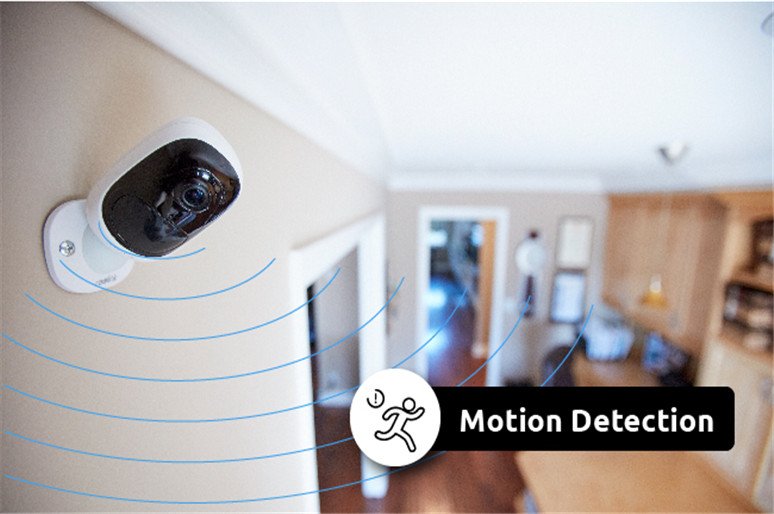
Motion sensor surveillance cameras help protect homes and businesses by detecting movement and recording instantly. They reduce storage use by capturing only key events. Learning how motion-activated cameras work helps you select the right one for your security needs.
Types Of Motion Sensors
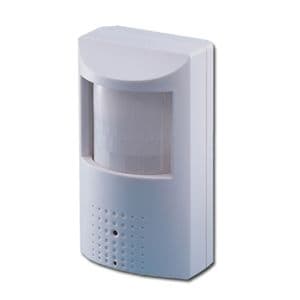
There are different sensors inside motion detection cameras. Passive Infrared (PIR) sensors detect heat from people or animals. Microwave sensors send waves and measure reflections to find movement. Some cameras combine both types for better accuracy. Each sensor type has its own strengths and weaknesses.
Technology Behind Detection
Motion sensors work by detecting changes in the environment. PIR sensors sense body heat changes. Microwave sensors detect motion using radio waves. Cameras use software to analyze the sensor data. The software filters out false alarms from small animals or shadows. This helps cameras record only real threats.
Sensitivity And Range Factors
Sensitivity controls how easily the camera detects motion. High sensitivity catches small movements but may cause false alarms. Low sensitivity ignores minor actions but might miss some events. The detection range depends on sensor type and placement. Proper setup ensures the camera covers the right area.
Benefits Of Motion Detection Cameras
Motion detection cameras offer many benefits for home and business security. They help catch suspicious activity fast and reduce unnecessary recording. These cameras only activate when they sense movement. This feature improves safety and saves resources.
Enhanced Security
Motion detection cameras alert you quickly to any movement. They can capture video only when there is activity. This means you do not miss important events. These cameras also reduce false alarms by ignoring small changes. They provide real-time updates to keep you informed.
Energy Efficiency
These cameras use less power because they are off most of the time. They only turn on during motion detection. This lowers electricity use and extends battery life. It is a smart choice for places without constant power. Energy savings help the environment and your wallet.
Cost Savings
Motion detection cameras reduce storage needs by recording less footage. This lowers costs for cloud storage or hard drives. You spend less on electricity and maintenance too. Saving money on these areas makes the system more affordable. It is a practical option for long-term use.
Choosing The Right Camera
Choosing the right motion detection security camera is key to keeping your space safe. Different cameras serve different needs. This guide helps you find the best fit for your home or business. Consider the location, image quality, and how the camera connects to your devices.
Indoor Vs Outdoor Models
Indoor cameras suit rooms inside your home or office. They usually have less rugged designs. Outdoor cameras need to handle weather like rain and sun. They come with waterproof and dustproof features. Choose a camera that matches the area you want to protect.
Resolution And Night Vision
Higher resolution means clearer images and details. Look for cameras with at least 1080p resolution. Night vision helps capture footage in low light or darkness. Infrared LEDs are common for night vision. Make sure the camera can see clearly at night.
Connectivity Options
Security cameras connect through Wi-Fi, Ethernet, or even cellular networks. Wi-Fi cameras are easy to install and use. Wired connections offer more stable signals. Some cameras support cloud storage or local SD cards. Check which options fit your internet and storage needs.
Credit: reolink.com
Installation Tips
Installing a motion sensor CCTV camera correctly is key to its performance. Proper setup ensures sharp footage and accurate motion alerts. Even small tweaks in camera angle or power source can greatly improve how well your motion-activated surveillance system works.
Ideal Camera Placement
Place cameras where they cover the main entry points. Doors, windows, and driveways are key areas. Avoid placing cameras too high or too low.
Keep cameras away from direct sunlight or bright lights. These can cause glare or false alarms. Corners of rooms or outside walls work well for wide views.
Power Supply Choices
Choose a power source that fits your needs. Wired cameras need a constant power supply. Battery-powered cameras offer flexibility but need regular charging.
Consider solar power if wiring is hard. Check battery life and recharge times. Reliable power keeps your camera running without interruptions.
Network Setup
Connect cameras to a strong Wi-Fi network. Signal strength affects video quality and alert speed. Place routers near cameras if possible.
Use a secure password to protect your network. Update camera firmware often to fix bugs and improve security. A stable network keeps your system reliable.
Smart Features To Look For
Motion sensor surveillance systems come with smart features that boost safety and usability. These enhancements—like AI detection, mobile notifications, and flexible storage—make your motion-activated security camera more effective. Proper installation is key; ideal placement and a reliable power setup ensure clear footage and accurate alerts. Small setup tweaks can significantly improve the performance of your motion-sensing CCTV camera.
AI and Facial Recognition
AI helps cameras tell the difference between people, animals, and objects. Facial recognition can identify familiar faces and alert you about strangers. This reduces false alarms from pets or passing cars. It makes your security system smarter and more accurate.
Mobile Alerts And Remote Access
Mobile alerts notify you instantly on your phone when motion is detected. Remote access lets you watch live video from anywhere. You can check your property anytime using an app. This keeps you connected and in control, even when away.
Cloud Storage Vs Local Storage
Cloud storage saves videos online, so you can access them anytime. It protects footage from being lost or stolen. Local storage saves videos on a memory card or hard drive in the camera. It works without internet but can be damaged or stolen. Choose based on your internet access and security needs.
Common Challenges And Solutions
Motion detection security cameras offer many benefits for home and business safety. Yet, they face common challenges that affect their performance. Understanding these issues helps in choosing the right solutions. This section covers typical problems and easy ways to fix them.
False Alarms
False alarms happen when cameras detect harmless movements. These include pets, falling leaves, or shadows. Frequent false alerts can cause annoyance and distrust in the system.
Adjusting the motion sensitivity level reduces false alarms. Most cameras allow customization of detection zones. This means you can ignore areas with frequent, unimportant motion. Regularly updating the camera software also improves accuracy.
Privacy Concerns
Privacy is a major worry with security cameras. People nearby may feel uncomfortable or watched. Clear rules about camera placement help protect privacy. Avoid pointing cameras at neighbors’ property or private spaces.
Using cameras with privacy masks or zones hides sensitive areas. Informing family members or employees about cameras builds trust. Choose systems with strong data encryption to keep footage safe from hackers.
Maintenance Tips
Proper maintenance keeps cameras working well over time. Clean lenses regularly to avoid blurry images. Check the camera’s angle and position often to cover the right spots.
Test the system monthly to ensure motion detection works. Replace batteries or power sources as needed. Keep software and firmware updated to fix bugs and add features.
Integrating With Home Security Systems
Integrating a motion sensor surveillance system with your home security setup provides a smarter, more reliable way to protect your property. These smart motion-sensing cameras go beyond simple video recording—they sync with alarms, lights, and mobile alerts to quickly notify you of unusual activity. By combining a motion-activated security camera with other smart home devices, you create a safer and more responsive home environment.
Compatibility With Other Devices
Motion detection cameras often connect easily with alarms, door sensors, and smart locks. This compatibility allows all devices to share information and work together. For example, if a camera detects movement, it can trigger an alarm or lock the doors automatically. This teamwork improves the overall security of your home.
Automation And Smart Home Integration
Many motion detection cameras integrate with smart home systems like Alexa or Google Home. This integration lets you control cameras with voice commands or smartphone apps. You can set rules to turn on lights or send alerts when motion is detected. Automation saves time and makes your home more responsive to unusual activity.
Professional Monitoring Options
Some home security systems offer professional monitoring services. When a motion camera detects activity, the service can check the alert and notify you or emergency responders. This added layer of protection helps in emergencies. It ensures quick action even if you are away or unable to respond immediately.

Credit: www.cctvcamerapros.com
Frequently Asked Questions
What Is A Motion Detection Security Camera?
A motion detection security camera records video only when it senses movement. This saves storage and alerts users of activity. It enhances security by capturing important events automatically, reducing false alarms and continuous recording.
How Does Motion Detection Technology Work?
Motion detection uses sensors or software to identify changes in pixels or heat. When movement is detected, the camera triggers recording or sends alerts. This helps monitor areas efficiently and focus on relevant security incidents.
Are Motion Detection Cameras Suitable For Home Security?
Yes, they are ideal for home security. They monitor entrances, driveways, and yards efficiently. Motion detection cameras alert homeowners immediately of suspicious activity, ensuring timely response and peace of mind.
Can Motion Detection Cameras Reduce False Alarms?
Yes, advanced motion detection cameras use smart algorithms to differentiate between humans, animals, and objects. This minimizes false alarms caused by irrelevant movements like tree branches or passing cars.
Conclusion
Motion detection security cameras help keep your home safe. They alert you quickly if something moves nearby. These cameras save time by recording only when needed. Easy to use and affordable for most people. They give peace of mind day and night.
Choose one that fits your needs and budget. Protect your space without extra effort. Simple, smart, and useful for any property. Safety made easy with motion detection cameras.