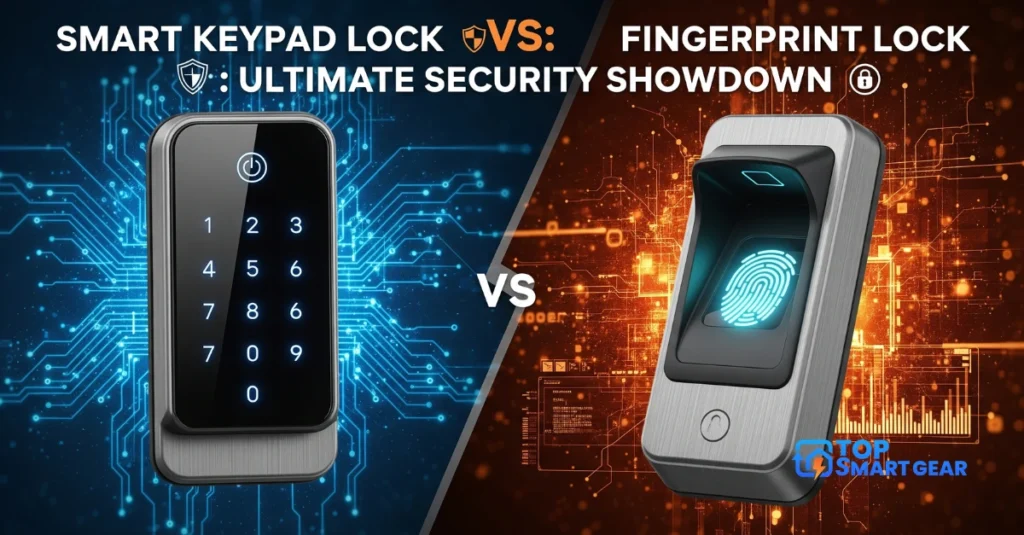
Choosing the right lock for your home or office can feel tricky. Comparing Smart Keypad Lock vs Fingerprint Lock helps you find something secure, easy to use, and reliable.
But when faced with options like a smart keypad lock and a fingerprint lock, how do you decide which one fits your needs best? This guide will help you understand the key differences, so you can pick the lock that gives you peace of mind and makes your life simpler.
Keep reading to find out which smart lock suits you perfectly.
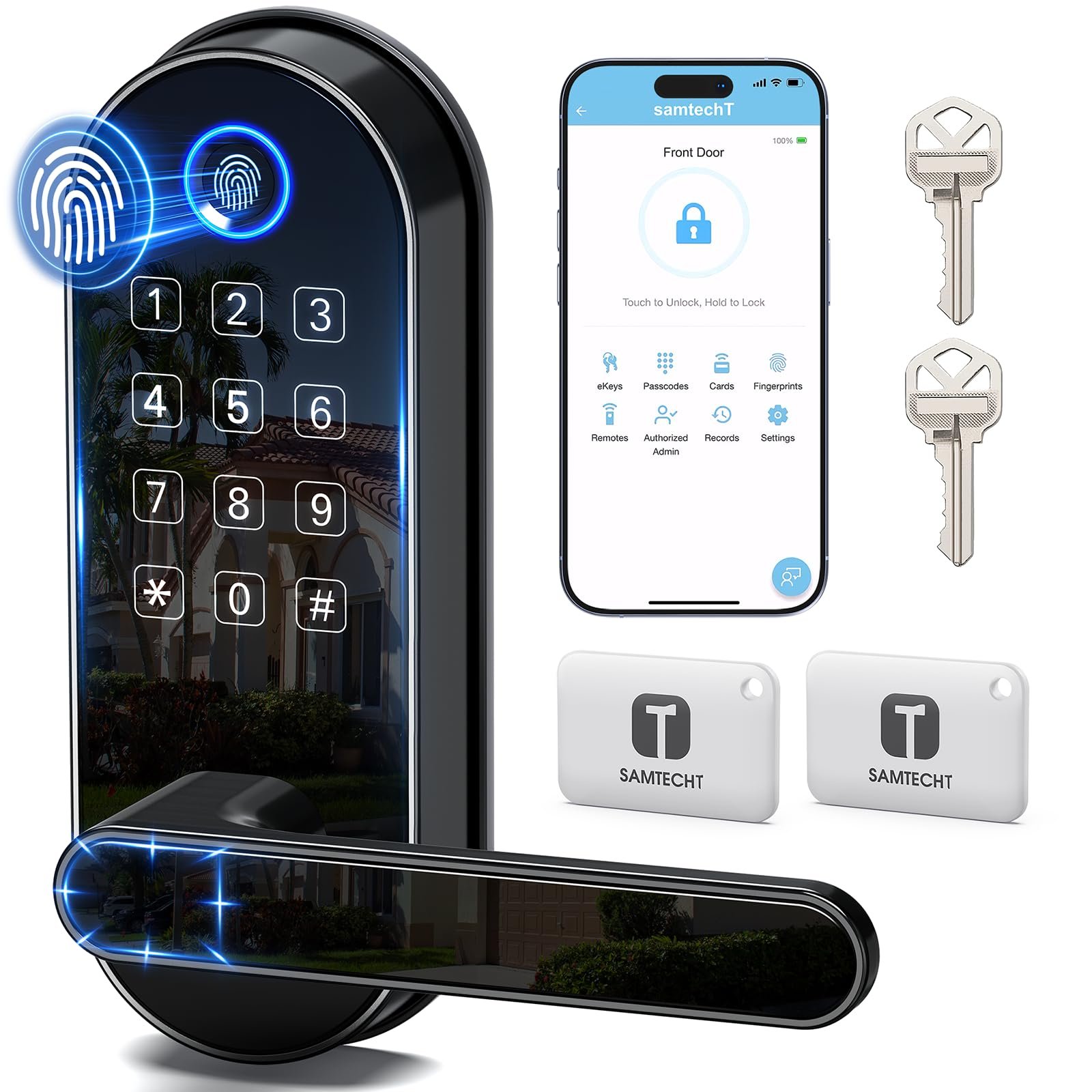
Credit: www.amazon.com
Smart Keypad Lock Features
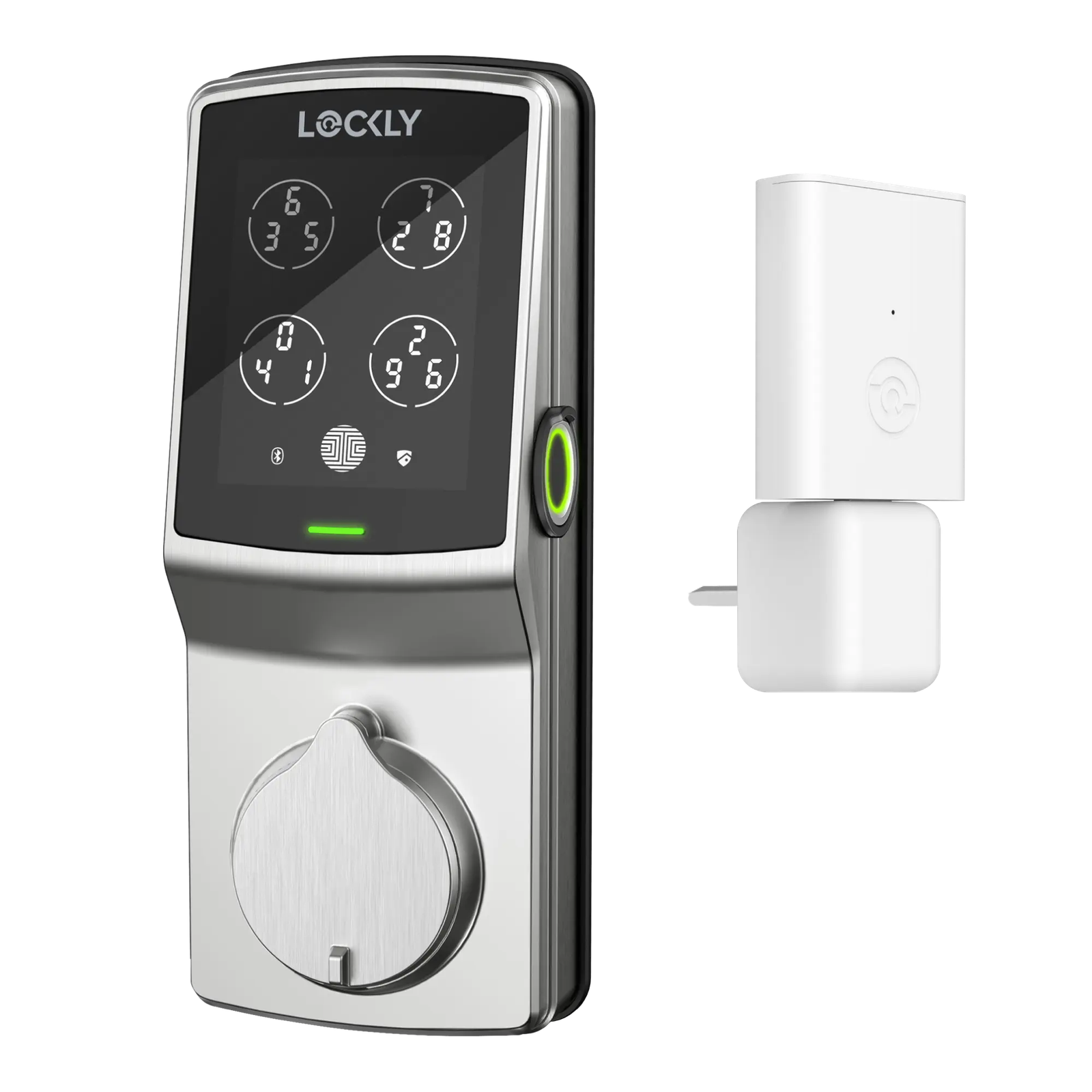
Smart keypad locks offer a practical way to secure your home or office. They combine technology with ease of use. Understanding their features helps choose the right lock for your needs.
Design And Build
Smart keypad locks have a sleek and modern look. Most are made from strong materials like stainless steel. This ensures durability and resistance to weather. Many models have a backlit keypad for easy use in the dark. Their compact size fits most standard doors without extra work.
Access Methods
These locks use a numeric keypad for entry. Users enter a code to unlock the door. Some models allow multiple codes for different users. Temporary codes can be set for guests or workers. This method avoids carrying physical keys and keeps access controlled.
User Management
Smart keypad locks let you manage users easily. You can add or delete access codes anytime. Some locks store dozens of codes. Notifications alert you when a code is used. This helps monitor who enters and when.
Connectivity Options
Many smart keypad locks connect to Wi-Fi or Bluetooth. This lets you control the lock remotely through an app. You can lock or unlock the door from anywhere. Some models integrate with smart home systems. This adds convenience and more control over security.
Fingerprint Lock Features
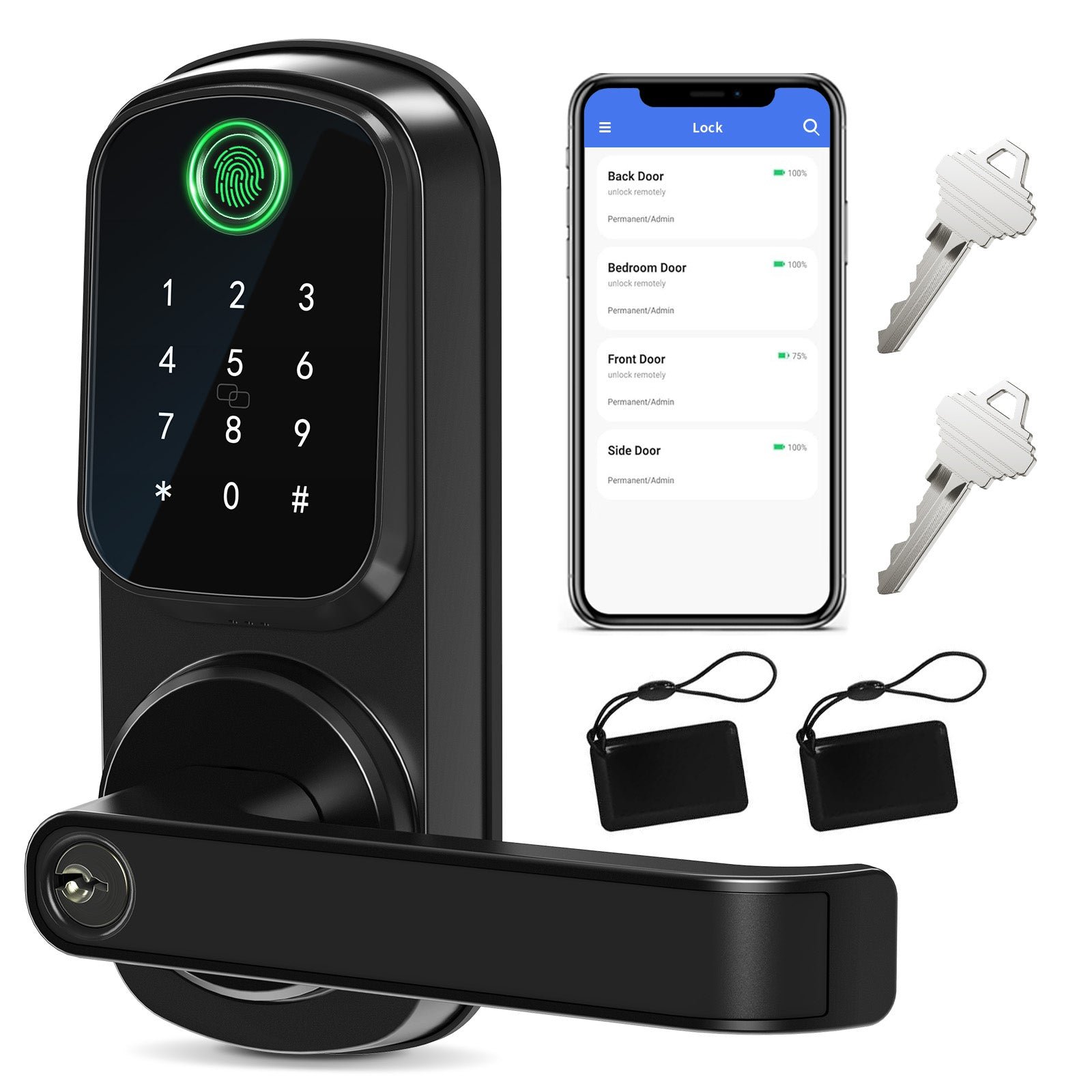
Fingerprint locks offer a modern way to secure homes and offices. In the Smart Keypad Lock vs Fingerprint Lock comparison, these locks use your unique fingerprint for access, providing convenience and strong security without the need for keys or codes.
Understanding the features of fingerprint locks helps in choosing the right one. Below are key features that set these locks apart.
Biometric Technology
Fingerprint locks use biometric sensors to read your fingerprint. These sensors scan patterns on your finger’s skin. The lock compares the scan to stored data. Only registered fingerprints can open the lock. This technology is fast and accurate.
Enrollment Process
Adding fingerprints to the lock is simple. You repeatedly place your finger on the sensor. The lock saves these prints for future use. Most locks allow multiple users to enroll their prints. This process usually takes just a few minutes.
Security Level
Fingerprint locks offer high security against unauthorized access. They are difficult to trick or duplicate. The locks often include backup options like PIN codes. Some models alert owners about failed attempts. These features keep your property safe.
Durability And Reliability
Fingerprint locks are built to last in different environments. Many are water and dust resistant. They work well in both hot and cold weather. Battery life is long, and some models show low battery alerts. These locks maintain performance over time.
Security Comparison
Choosing between a smart keypad lock and a fingerprint lock requires understanding their security features. Each offers unique protection methods. This section compares their safety to help you decide.
Vulnerability To Hacking
Smart keypad locks rely on codes. Hackers can guess or steal these codes. Some models use wireless signals, which can be intercepted. Fingerprint locks use biometric data. This data is harder to copy or hack. Still, advanced hackers might find ways to spoof fingerprints. Overall, fingerprint locks provide stronger digital security.
Resistance To Physical Attacks
Smart keypad locks can be forced open by breaking the keypad or lock body. Fingerprint locks often have tougher materials. They may have alarms that trigger on tampering. Both locks can be damaged, but fingerprint locks tend to resist physical attacks better. Their design often focuses on durability and detection.
False Acceptance And Rejection Rates
Smart keypad locks have no false acceptance if the code is correct. Mistyping can cause rejection. Fingerprint locks might sometimes deny access to authorized users. Dirt, moisture, or skin changes affect recognition. False acceptance, where unauthorized users get access, is rare but possible. Keypad locks avoid this risk if codes are kept secret.
Convenience And Usability
Choosing between a smart keypad lock and a fingerprint lock often comes down to convenience and usability. Both offer modern ways to secure your home or office. Understanding how they perform in daily use helps make the right choice.
Speed Of Access
Fingerprint locks provide quick entry with just a touch. They scan your finger and unlock in seconds.
Smart keypad locks require entering a code. This takes a bit more time but is still fast.
Fingerprint locks reduce wait time, especially when hands are free or carrying items.
User Experience
Fingerprint locks are easy to use for all ages. No need to remember codes or carry keys.
Smart keypad locks allow multiple users to have unique codes. This is useful for families or offices.
Both locks offer user-friendly designs and clear instructions.
Battery Life And Power Backup
Smart keypad locks often have longer battery life. They consume less power than fingerprint sensors.
Fingerprint locks may need more frequent battery changes due to sensor use.
Both types usually include a backup power option, such as a key or external battery.
Installation And Maintenance
Installation and maintenance are key factors in the Smart Keypad Lock vs Fingerprint Lock comparison. Both offer modern security but require different setups and care. Understanding these differences helps you choose the right lock for your needs.
Setup Complexity
Smart keypad locks usually fit standard door frames easily. Most come with clear instructions and require basic tools. You can often complete the installation in under an hour.
Fingerprint locks need more precise installation. The sensor must be properly aligned to read fingerprints accurately. Some models may require professional help to ensure accuracy and avoid errors.
Software Updates
Smart keypad locks often receive firmware updates to fix bugs or add features. Updates are usually automatic or simple to install via an app.
Fingerprint locks also need regular software updates. These updates improve fingerprint recognition and security. Regular updates keep the lock running smoothly and protect against new threats.
Troubleshooting Tips
For smart keypad locks, check batteries first if the lock stops working. Resetting the device often solves minor problems. Follow the manual for factory reset steps.
Fingerprint locks may fail if fingers are dirty or wet. Clean the sensor regularly for best results. If the lock does not respond, try re-registering fingerprints or restarting the device.
Cost And Value
The cost and value of smart keypad locks and fingerprint locks vary. Both offer security but differ in price and long-term expenses. Understanding these factors helps in choosing the right lock for your needs.
Initial Investment
Smart keypad locks usually cost less to buy. They have simpler technology. Fingerprint locks are pricier because of advanced biometric sensors. Installation fees can be similar for both types. The initial cost depends on brand and features.
Long-term Expenses
Smart keypad locks may need new batteries every few months. Fingerprint locks also require battery changes but often last longer on one charge. Repairs might be more expensive for fingerprint locks. Keypad locks have fewer parts that can fail.
Return On Security
Fingerprint locks provide higher security with unique biometric access. Smart keypad locks rely on codes, which can be shared or guessed. The value of fingerprint locks is greater if security is a top concern. Both offer convenience, but fingerprint locks add extra protection.
Ideal Use Cases
Choosing between a smart keypad lock and a fingerprint lock depends on where and how you plan to use it. Each lock type works better in certain places. Understanding the ideal use cases helps you pick the right lock for your needs. Both locks add security but suit different environments and users.
Residential Settings
Smart keypad locks work well for homes. They allow easy code sharing with family and guests. No need to carry keys or worry about lost ones. Fingerprint locks offer quick access for busy households. They provide extra security by using unique fingerprints. Both types improve home safety and convenience.
Commercial Applications
Businesses benefit from smart keypad locks for employee access. Codes can be changed easily when needed. It helps track who enters and when. Fingerprint locks suit small offices requiring tight control. They reduce the chance of code sharing. Both locks help maintain secure workspaces.
High-security Environments
Fingerprint locks are ideal for high-security zones. They provide precise access control using biometric data. Smart keypad locks can be used as backup systems. Combining both locks increases protection levels. These locks help guard sensitive areas like labs and data centers.
Credit: ironzon.com
Frequently Asked Questions
What Are The Main Differences Between Smart Keypad Lock Vs Fingerprint Lock?
Smart keypad locks use a numeric code for access, while fingerprint locks use biometric data. Keypad locks are easier to share but less secure. Fingerprint locks offer higher security and quick access but may require more maintenance.
Which Lock Is More Secure: Keypad Or Fingerprint?
Fingerprint locks generally provide stronger security due to unique biometric verification. Keypad locks risk code sharing or hacking. However, both locks offer advanced encryption and can be secure if used properly.
Can Smart Keypad Locks Be Hacked Easily?
Smart keypad locks can be vulnerable if codes are weak or shared. However, many models use encryption and auto-lock features to prevent hacking. Regularly updating codes improves security significantly.
Are Fingerprint Locks Reliable In Different Weather Conditions?
Modern fingerprint locks are designed to work in various weather conditions. Some models include weatherproof features to protect sensors. Extreme cold or dirt may affect performance, so regular cleaning is recommended.
Conclusion
Choosing between a Smart Keypad Lock vs Fingerprint Lock depends on your needs. Keypad locks offer easy code sharing with family or friends, while fingerprint locks provide quick access using just your finger. Both enhance home security and reduce key troubles.
Think about convenience, budget, and how many people will use it. Either option helps protect your home in a modern way. Simple, secure, and suited to different lifestyles. Your choice makes your home safer and easier to enter.