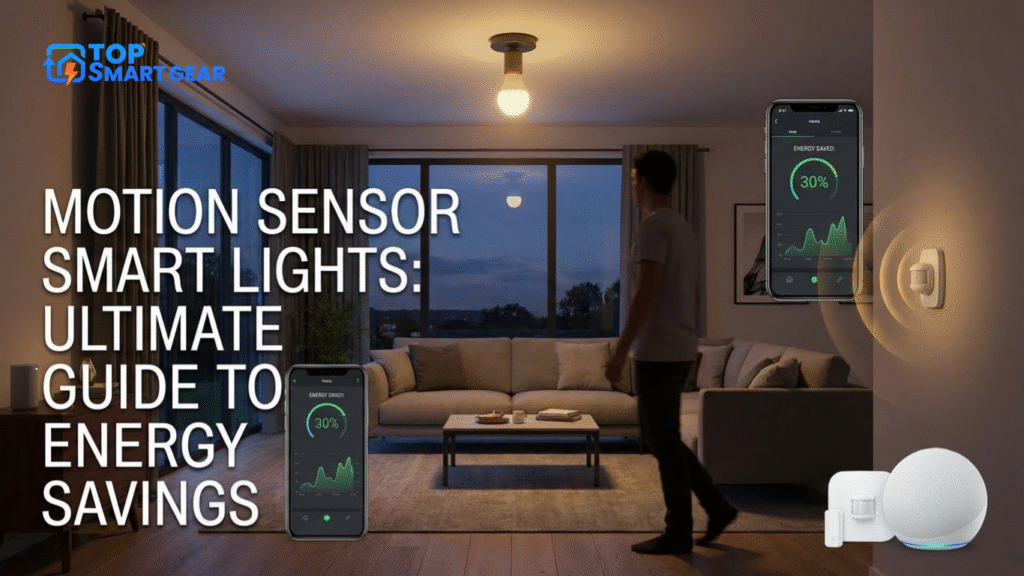
Imagine walking into a room, and the motion sensor smart lights turn on automatically—no fumbling for switches, no wasted energy. Sounds convenient, right?
That’s exactly what smart motion-activated lighting offers you. It makes your home smarter, safer, and more efficient without extra effort. If you want to cut down on energy bills, enhance home security, and enjoy hands-free convenience, keep reading.
This guide will show you how intelligent motion sensor lighting can transform your daily routine in simple, practical ways.
How Motion Sensor Lights Work
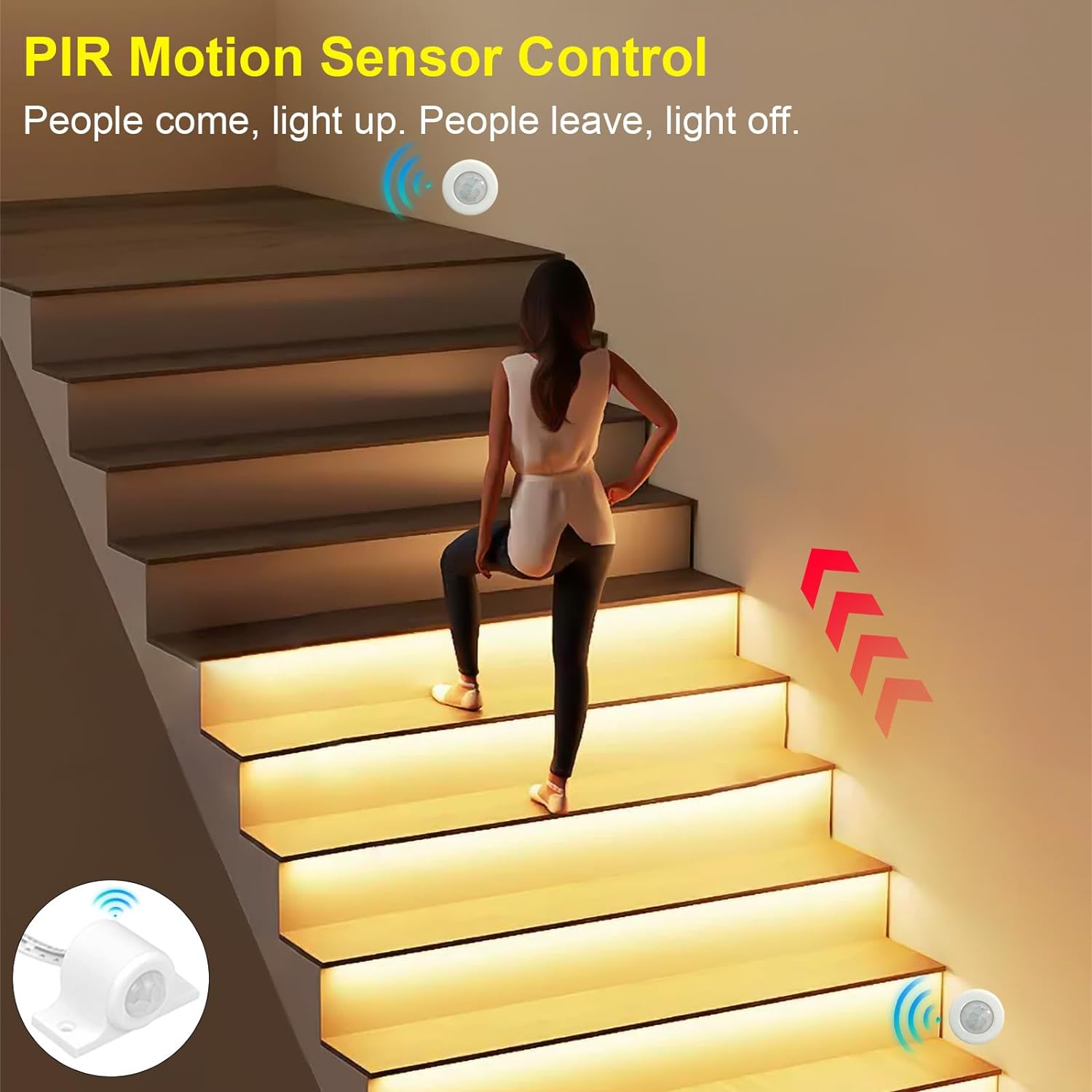
Smart motion-activated lights switch on automatically when they detect movement. Using built-in sensors, they illuminate spaces without the need for a manual switch. This energy-efficient lighting solution adds both convenience and safety, especially in darker areas like hallways, entryways, and porches.
Types Of Motion Sensors
Two common types of sensors are passive infrared (PIR) and microwave sensors. PIR sensors detect body heat from people or animals. Microwave sensors send out waves and measure their reflection to spot movement. Both types are effective but work differently depending on the environment.
Sensor Range And Sensitivity
Sensor range is how far the sensor can detect motion. Sensitivity controls how easily the sensor triggers the light. Adjusting these settings helps avoid false alarms from small animals or objects. Proper range and sensitivity settings improve the light’s performance and save power.
Integration With Smart Home Systems
Motion sensor lights can connect with smart home systems like Alexa or Google Home. This connection allows remote control through apps or voice commands. Integration adds features like scheduling, dimming, and alerts, making the lights more useful and user-friendly.
Credit: kingsoutdoorlighting.com
Benefits Of Motion Sensor Smart Lights
Smart motion-detecting lights offer many benefits that enhance daily life. They help conserve energy, strengthen security, and provide hands-free convenience. These lights activate only when motion is detected, making them efficient and intelligent. Their automation adds comfort and safety to both home and workplace environments.
Energy Efficiency
Smart motion-activated lighting uses power only when movement is detected. The lights switch off automatically when no activity is sensed, reducing energy waste and cutting electricity costs. Unlike traditional lights left on by accident, these eco-friendly and cost-effective solutions ensure smarter energy use.
Enhanced Security
Motion-activated lighting systems serve as a strong deterrent against intruders. When movement is detected, the lights switch on instantly, startling anyone nearby. This sudden illumination can prevent theft or vandalism before it starts. Well-lit surroundings also help residents feel more secure at night. Automated motion lights enhance safety effortlessly.
Convenience And Automation
Hands-free motion-activated lighting is perfect when you’re carrying things or walking in the dark. No need to hunt for switches—these automated lights respond naturally to your movement, adding comfort and simplicity to daily life.
Choosing The Right Motion Sensor Lights
Choosing the right motion sensor lights improves home safety and convenience. It saves energy by turning lights on only when needed. Picking the best lights depends on where you want to use them and how they work with your space.
Indoor Vs Outdoor Options
Indoor motion sensor lights help light hallways, closets, and basements. They often have smaller sensors and softer light. Outdoor lights need to be weatherproof and bright enough for security. Outdoor sensors cover larger areas and handle rain or dust.
Power Sources And Installation
Motion sensor lights can use batteries, plug into outlets, or connect to wiring. Battery-powered lights are easy to install but need regular battery changes. Plug-in lights require a nearby outlet and a simple setup. Hardwired lights need professional installation but offer steady power and durability.
Compatibility With Existing Fixtures
Check if the motion sensor light fits your current light fixtures. Some sensors come as add-ons for bulbs or lamps. Others replace the whole fixture. Make sure the size and shape match your space. Compatibility avoids extra costs and installation troubles.
Optimizing Energy Savings
Maximizing energy efficiency with motion-activated lighting helps cut down electricity costs. These lights activate only when motion is detected, conserving power and lowering bills. Fine-tuning settings can significantly boost your energy savings.
Setting Timers And Schedules
Set timers to control how long lights stay on after motion stops. Scheduling lights for specific times avoids unnecessary use. For example, turn lights off during daylight or when no one is home.
Adjusting Sensitivity And Brightness
Adjust the motion sensor sensitivity to detect only important movement. This stops lights from turning on for small or distant motions. Lower brightness settings also use less power while still lighting the space.
Combining With Other Energy-saving Devices
Use motion sensor lights with devices like dimmers or smart plugs. They help further control power use and increase savings. Combining smart devices creates a more efficient lighting system.
Common Challenges And Solutions
Motion-activated lighting offers great convenience and energy efficiency, but users may encounter some common challenges. Knowing these typical issues helps keep your system running smoothly. Simple and effective fixes can solve most problems. This section covers frequent concerns and how to address them.
False Triggers And How To Avoid Them
False triggers happen when lights turn on without real movement. Pets, small animals, or shadows can cause this. Moving branches or cars outside may also trigger sensors.
To avoid false triggers, place sensors away from busy areas. Adjust the sensor’s sensitivity to a lower level. Use sensors with pet immunity if pets roam nearby. Shield the sensor from direct sunlight and heat sources.
Maintaining Sensor Performance
Sensor performance can drop over time. Dust, dirt, or spider webs on the sensor lens affect detection. Regular cleaning keeps sensors clear. Use a soft cloth and mild cleaner for wiping.
Check batteries in wireless models often. Replace weak batteries to avoid signal loss. Test the sensor regularly to make sure it works properly.
Dealing With Environmental Factors
Weather and temperature changes can affect sensor accuracy. Rain, fog, and snow reduce the sensor’s view. Extreme heat or cold may cause malfunctions.
Install sensors under eaves or sheltered areas. Choose weather-resistant models for outdoor use. Adjust sensor settings seasonally to match environmental changes.
Future Trends In Smart Lighting
Smart lighting technology keeps advancing rapidly. The future of motion-activated lighting includes smarter responses and adaptive features. These systems will integrate seamlessly into homes and cities, enhancing safety and convenience like never before.
Advancements In Sensor Technology
Sensors will become more sensitive and accurate. They will detect smaller movements and changes in light. This means lights will turn on faster and only when needed. New sensors might also recognize specific people or pets. This will reduce false triggers and save energy.
Integration With AI and IoT
Smart lights will work closely with artificial intelligence and the Internet of Things. AI can learn daily habits and adjust lighting automatically. Lights may change color and brightness based on mood or time of day. Connected devices will communicate to create a seamless smart home experience. This integration allows for more control through apps and voice commands.
Sustainability And Smart Cities
Smart lighting will play a key role in eco-friendly cities. Motion sensor lights will reduce energy waste by lighting only occupied areas. They will support public safety by illuminating streets and parks efficiently. These lights will help cities lower their carbon footprint. The focus will be on durability and using recyclable materials.

Credit: www.techhive.com
Frequently Asked Questions
What Are Motion Sensor Smart Lights?
Motion sensor smart lights automatically turn on when they detect movement. They save energy and add convenience to homes and offices. These lights use sensors to sense motion and activate lighting instantly.
How Do Motion Sensor Smart Lights Save Energy?
They turn on only when motion is detected, avoiding unnecessary usage. The lights switch off automatically after no movement is sensed. This reduces electricity consumption and lowers energy bills effectively.
Can Motion Sensor Smart Lights Improve Home Security?
Yes, they deter intruders by lighting up dark areas when motion is detected. This sudden illumination can scare off potential burglars. They also notify homeowners of unexpected activity near entrances.
Are Motion Sensor Smart Lights Easy To Install?
Most motion sensor smart lights offer simple installation with minimal tools. Many models are wireless and battery-operated, allowing flexible placement. Users can set up lights without professional help quickly.
Conclusion
Motion sensor smart lights make homes safer and more energy-friendly. They turn on only when you need light. This saves electricity and lowers bills. Installation is simple and fits most rooms easily. These lights add comfort and convenience every day.
Choose the right model to match your needs and style. Brighten your space with smart, efficient lighting today.