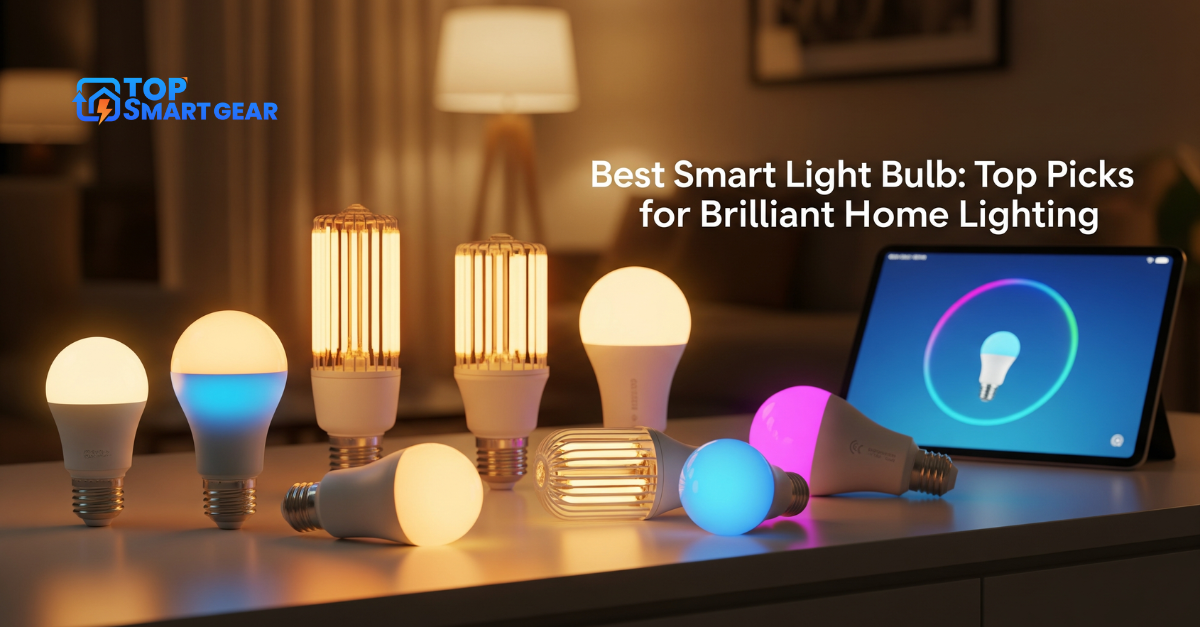
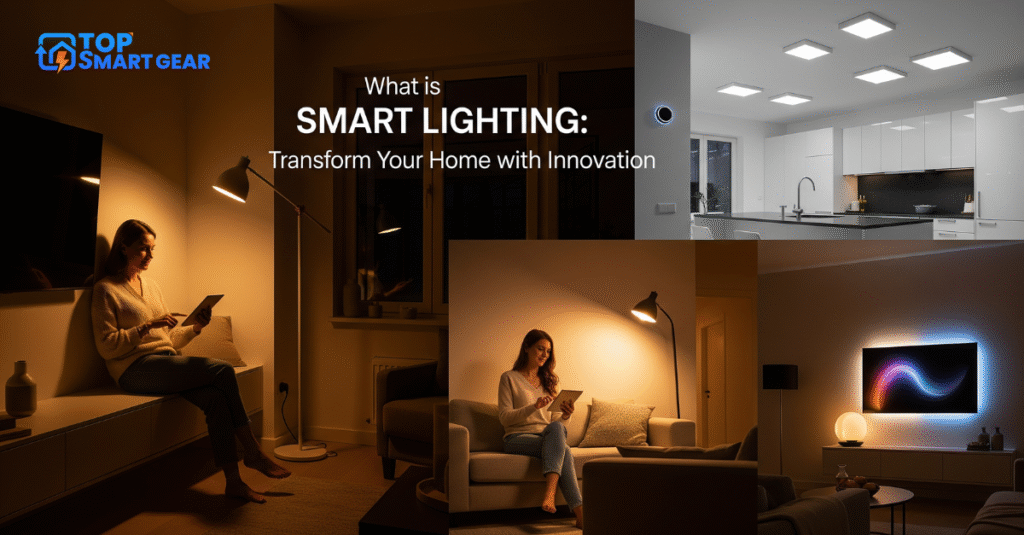
Have you ever wished your lights could do more than just turn on and off? What is Smart Lighting? It’s a modern lighting solution that lets you control your home’s lights with far more convenience and intelligence. Imagine managing your lighting with a simple voice command or setting it to adjust automatically based on the time of day.
That’s exactly what smart lighting offers. It’s not just about convenience, it can save you money, boost your mood, and even make your home safer. Curious to find out how smart lighting works and why it might be the perfect upgrade for your space?
Keep reading to discover everything you need to know.
Smart Lighting Basics
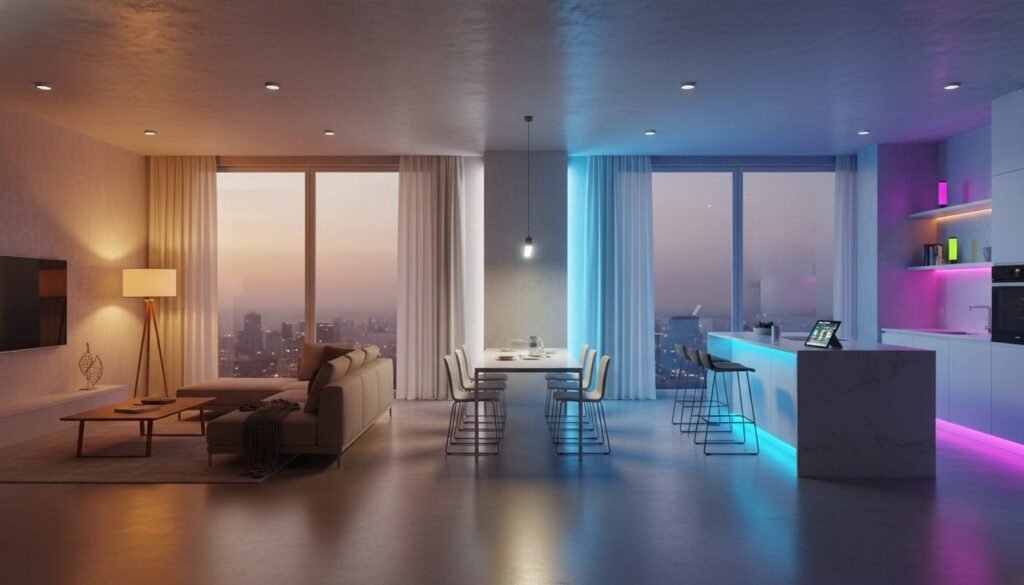
Smart lighting changes how we use light in our homes and offices. It uses technology to control brightness, color, and timing. Smart lighting basics help understand how these systems work and what makes them special. Smart light bulbs are the main part of smart lighting. They connect to your phone or home system, making light control easy and flexible.
Core Features
Smart lighting has several key features that make it different from regular lights. These features give users control and convenience. Here are the main core features of smart lighting:
- Remote Control: Control lights from anywhere using a smartphone app.
- Voice Activation: Use voice commands with assistants like Alexa or Google Assistant.
- Scheduling: Set lights to turn on or off at specific times automatically.
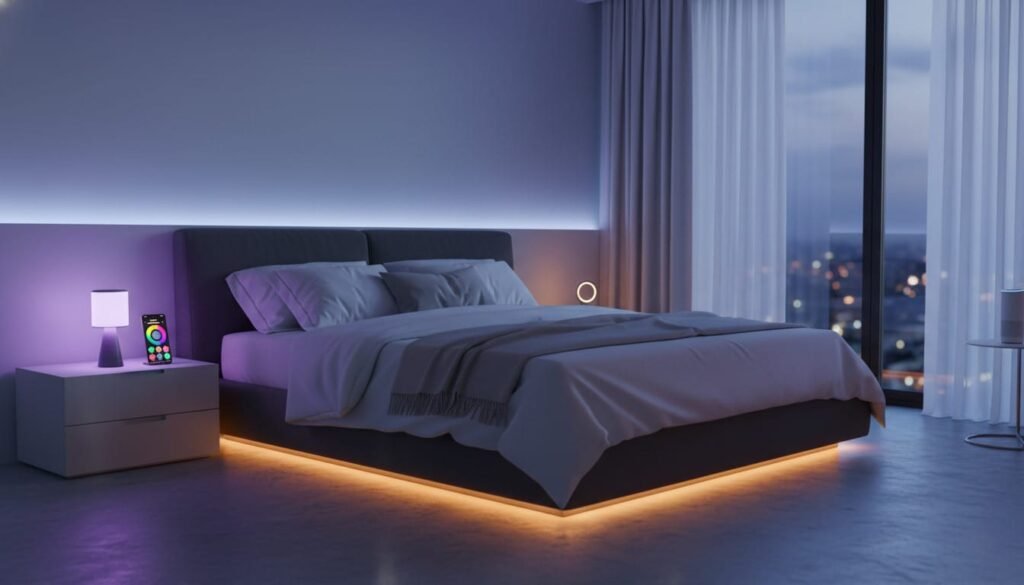
- Dimming: Adjust brightness levels to create the perfect mood.
- Color Changing: Change the color of smart light bulbs to match any setting.
- Energy Efficiency: Smart lights use less energy than traditional bulbs.
Many smart lights also include sensors that detect motion or daylight. This feature helps save energy by turning lights off when not needed.
| Feature | Benefit |
|---|---|
| Remote Control | Control lights from anywhere using a smartphone. |
| Voice Activation | Hands-free operation through voice commands. |
| Scheduling | Automatic on/off at set times. |
| Dimming | Adjust brightness for comfort and ambiance. |
| Color Changing | Customize colors to suit your mood or activity. |
Types Of Smart Lights
Smart lighting includes a range of lighting options to meet various needs. Each type uses smart technology but serves a unique purpose. Here are the common types of smart lights:
- Smart Light Bulbs: These replace regular bulbs and fit into standard sockets. They offer color change, dimming, and remote control.
- Smart LED Strips: Flexible strips with LEDs that can change colors. Ideal for accent lighting under cabinets or behind TVs.
- Smart Light Panels: Modular panels that attach to walls or ceilings. They offer customizable shapes and colors.
- Smart Lamps: Table or floor lamps with built-in smart light bulbs or controls.
- Smart Outdoor Lights: Designed for gardens or porches. Often include motion sensors and weather resistance.
Choosing the right type depends on the space and lighting needs. Smart light bulbs remain the most popular due to ease of installation and versatility.
| Type | Use | Key Features |
|---|---|---|
| Smart Light Bulbs | General indoor lighting | Color change, dimming, and remote control |
| Smart LED Strips | Accent and decorative lighting | Flexible, color-changing |
| Smart Light Panels | Wall or ceiling decoration | Modular shapes, color options |
| Smart Lamps | Task or ambient lighting | Built-in controls, portable |
| Smart Outdoor Lights | Exterior security and decoration | Motion sensors, weatherproof |
How Smart Lighting Works
Smart lighting technology changes how people use light in homes and buildings. It uses sensors, wireless connections, and software to control lights automatically or remotely. Understanding how smart lighting works helps users get the most from lighting automation and smart lighting features. These systems are designed to save energy, improve comfort, and add convenience.
Connectivity Options
Smart lighting systems rely on different ways to connect lights to control devices. Connectivity is the backbone of wireless lighting control. It allows lights to communicate with apps, switches, or home assistants. The most common connectivity options include:
- Wi-Fi: Uses the home internet network for fast, direct control via smartphone apps.
- Bluetooth: Connects devices within short range, good for small areas without internet.
- Zigbee: A low-power mesh network that links many smart devices, allowing them to work together.
- Z-Wave: Similar to Zigbee, it creates a secure mesh network for smart home devices.
- Thread: A newer option focused on reliable, low-latency connections in smart homes.
Each connectivity type has strengths and limits. Wi-Fi offers high speed but uses more power. Zigbee and Z-Wave save energy and cover larger areas through mesh networks. Bluetooth works well for simple setups without an internet connection. The thread is growing in popularity for its reliability.
| Connectivity Type | Range | Power Use | Best For |
|---|---|---|---|
| Wi-Fi | Up to 100 meters | High | Direct smartphone control |
| Bluetooth | Up to 30 meters | Low | Small areas, no internet |
| Zigbee | Up to 100 meters (mesh) | Very low | Large smart home systems |
| Z-Wave | Up to 100 meters (mesh) | Low | Secure home automation |
| Thread | Up to 100 meters (mesh) | Low | Reliable smart device networks |
Control Mechanisms
Smart lighting systems offer many ways to control lights. These control mechanisms make lighting automation easy and flexible. Users can choose one or combine several methods to fit their needs.
Standard smart lighting control methods include:
- Mobile Apps: Most smart lighting systems have smartphone or tablet apps. Apps allow users to turn lights on or off, change colors, or set schedules from anywhere.
- Voice Control: Many smart lights work with voice assistants like Alexa or Google Assistant. Users speak commands to control lighting without touching anything.
- Physical Switches: Smart switches or dimmers replace regular light switches. They connect to the smart system for manual control.
- Motion Sensors: Lights can turn on automatically when someone enters a room. This saves energy and adds convenience.
- Timers and Schedules: Users program lights to turn on or off at certain times. This feature helps with energy saving and security.
Smart lighting features allow mixing control methods. For example, a light can respond to voice commands, app control, and motion detection. This flexibility improves user experience and energy management.
| Control Type | Description | Benefits |
|---|---|---|
| Mobile Apps | Control lights remotely via smartphone | Convenient, flexible |
| Voice Control | Use voice commands to operate lights | Hands-free, fast |
| Physical Switches | Manual control with smart switches | Familiar, reliable |
| Motion Sensors | Automatic lighting based on movement | Energy saving, convenience |
| Timers & Schedules | Lights operate at set times | Energy efficient, security |
Benefits Of Smart Lighting
Smart lighting brings many benefits to homes and businesses. It uses technology to control lights easily and save energy. Smart lighting systems connect to apps or voice commands, making lighting flexible and simple. These systems improve comfort and safety and reduce electricity costs. Below are the key benefits of smart lighting.
Energy Efficiency
Smart lighting helps save energy by using light only when needed. Traditional lights stay on even if no one is in the room. Smart lights use sensors and timers to turn off automatically. This saves electricity and lowers bills.
Ways smart lighting saves energy:
- Motion sensors detect when a room is empty and switch off the lights
- Adjusting brightness based on daylight reduces power use
- Scheduling lights to turn on or off at set times
- Using LED bulbs that consume less energy than regular bulbs
The table below shows average energy savings with smart lighting:
| Lighting Type | Average Energy Use (Watts) | Smart Lighting Energy Use (Watts) | Potential Savings (%) |
|---|---|---|---|
| Incandescent Bulb | 60 | 10 (LED smart bulb) | 83% |
| Fluorescent Bulb | 15 | 9 (LED smart bulb) | 40% |
Using smart lighting reduces energy waste. It supports eco-friendly living and effectively reduces electricity costs.
Convenience And Automation
Smart lighting offers great convenience by automating light control. Users can manage lights from smartphones or voice assistants. No need to walk to switches or remember to turn off lights.
Standard smart lighting automation features:
- Remote control from anywhere via mobile apps
- Voice commands through devices like Alexa or Google Home
- Custom schedules for daily routines
- Scene settings that adjust multiple lights with one command
- Integration with other smart home devices
Automation saves time and effort. Lights adjust automatically to match moods, activities, or the time of day. For example, dim lights for movie time or bright lights for reading.
Here is an example of a daily smart lighting schedule:
- 7:00 AM – Gradual brightening to wake up gently
- 12:00 PM – Dim lights during lunch break
- 6:00 PM – Bright lights for cooking and chores
- 10:00 PM – Soft, warm lights for relaxing
- 11:00 PM – Lights turn off automatically
Smart lighting makes life easier and more comfortable through automation.
Enhanced Security
Smart lighting improves home and business security. Lights can turn on automatically to scare off intruders. They also provide visibility around entry points at night.
Security benefits of smart lighting:
- Motion-activated lights alert you to movement outside
- A remote control allows turning lights on and off when away
- Lights can simulate presence by following daily schedules
- Integration with security cameras and alarms
Using smart lighting helps protect property and family. It adds a layer of safety by making spaces less attractive to burglars.
Example: Lights turn on automatically if motion is detected near doors or windows. This alerts neighbors and deters threats.
Smart lighting boosts security with easy control and smart responses to activity.
Popular Smart Lighting Technologies
Smart lighting technologies have transformed how people control and use light in homes and offices. To understand what is smart lighting, it’s important to look at the innovations that make these systems so powerful. Modern smart lighting solutions offer convenience, energy savings, and personalization through app-based controls and voice assistants. Users can easily adjust brightness, color, and schedules to match their daily routines. Different smart home lighting systems use technologies like Wi-Fi, Bluetooth, and Zigbee to communicate efficiently and deliver a seamless experience. Knowing how these technologies work helps you choose the smart lighting setup that fits your needs best.
Wi-fi Enabled Lights
Wi-Fi-enabled lights connect directly to your home Wi-Fi network. This allows you to control your lights from anywhere using a smartphone app. These lights do not need extra hubs or bridges, making setup simple. You can turn them on or off, change colors, and set schedules easily.
Key features of Wi-Fi-enabled lights:
- Easy installation without extra devices
- Control from anywhere with internet access
- Compatibility with popular voice assistants like Alexa and Google Assistant
- Ability to group multiple lights for synchronized control
Many Wi-Fi-enabled models support a light bulb with a remote control, allowing manual operation alongside app commands. These lights suit users who want direct control without complex setups.
| Pros | Cons |
|---|---|
| No hub required | Can slow down the Wi-Fi network |
| Remote access from anywhere | May face connectivity issues if Wi-Fi is weak |
| Wide app and voice assistant support | Higher power use compared to other protocols |
Bluetooth Smart Bulbs
Bluetooth smart bulbs connect directly to your phone using Bluetooth technology. These bulbs do not need internet or a hub. Control is usually limited to a range of about 30 feet.
Advantages of Bluetooth smart bulbs include:
- Simple setup without extra devices
- Cost-effective option for small spaces
- Can work as a light bulb with a remote when paired with a physical remote
- Low energy use and fast response
Bluetooth bulbs are ideal for single rooms or small areas where internet control is not necessary. They let you adjust brightness and color easily using your phone or remote.
| Pros | Cons |
|---|---|
| No internet needed | Limited control range |
| Affordable and easy to use | Cannot control remotely outside Bluetooth range |
| Works well with remotes | Fewer advanced features compared to Wi-Fi |
Zigbee And Z-Wave Systems
Zigbee and Z-Wave are wireless communication protocols designed for smart home devices. These systems use a mesh network, where devices connect to each other to extend range and reliability.
Important points about Zigbee and Z-Wave:
- Require a hub or bridge to connect to your home network
- Offer strong, reliable connections over larger areas
- Supports many devices, making them perfect for whole-home smart lighting
- Compatible with light bulbs with remote setups for added convenience
Both protocols use low power and avoid Wi-Fi traffic, keeping your home network less busy. Zigbee is more common and supports more brands. Z-Wave uses different frequencies, reducing interference with Wi-Fi.
| Feature | Zigbee | Z-Wave |
|---|---|---|
| Frequency | 2.4 GHz | 900 MHz |
| Range | 10-20 meters per device | 30-60 meters per device |
| Device limit | Up to 65,000 | Up to 232 |
| Interference | Possible with Wi-Fi | Less interference |
Setting Up Smart Lighting
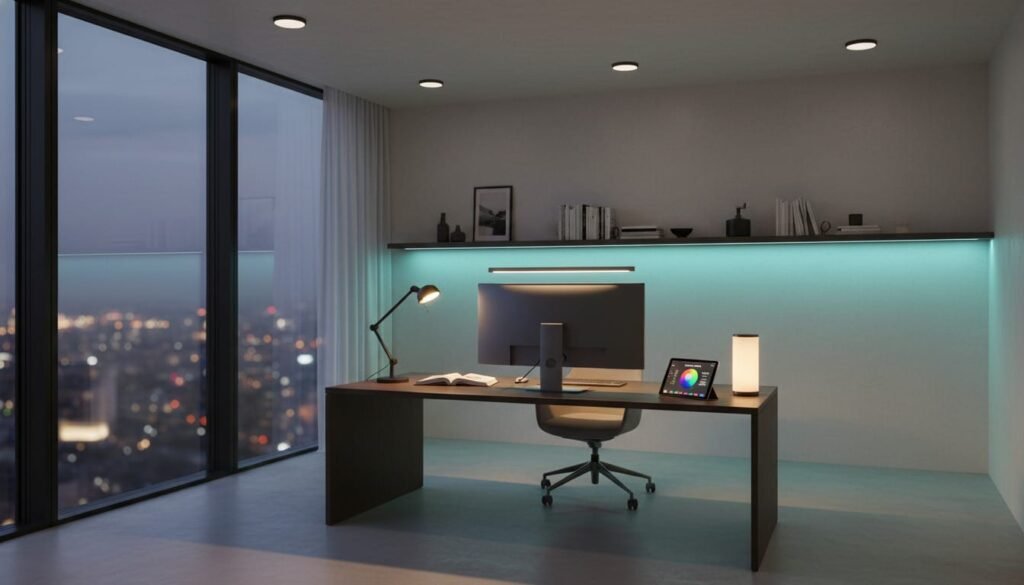
Setting up smart lighting transforms ordinary rooms into interactive, efficient spaces. To understand what is smart lighting, you need to see how the setup works—from choosing the right smart bulbs, switches, or hubs to installing them properly and connecting them to your home’s smart lighting system. This process creates a personalized lighting experience that can be controlled from anywhere using an app or voice assistant. With automated schedules and energy-efficient LED technology, smart lighting enhances comfort while reducing power consumption.
Choosing The Right Devices
Picking the correct smart lighting devices is essential for a smooth setup and satisfying use. Devices vary by type, features, and compatibility. Focus on these points to select the best options:
- Type of bulbs: LED bulbs are energy-efficient and long-lasting. Some offer color changing, while others provide adjustable brightness.
- Connectivity: Check if devices use Wi-Fi, Zigbee, or Bluetooth. Your choice affects range and ease of control.
- Compatibility: Ensure bulbs or fixtures work with your existing smart home assistants like Alexa, Google Home, or Apple HomeKit.
- Power source: Some lights require wiring, others run on batteries. Consider what fits your space and skills.
Here is a simple comparison table for popular smart bulb types:
| Feature | Wi-Fi Bulbs | Zigbee Bulbs | Bluetooth Bulbs |
|---|---|---|---|
| Range | Good (home Wi-Fi range) | Excellent (mesh network) | Limited (short distance) |
| Requires Hub | No | Yes | No |
| Setup Complexity | Easy | Moderate | Easy |
| Cost | Moderate | Lower per bulb but hub costs extra | Lowest |
Choose devices that fit your budget, home size, and control preferences. Always read reviews and verify warranty terms.
Installation Tips
Installing smart lighting requires care to ensure safety and functionality. Follow these tips for a hassle-free setup:
- Turn off the power before handling light fixtures to avoid electric shock.
- Read the manual: Each device has specific instructions. Follow them step-by-step.
- Test bulbs in a single fixture first to confirm they work correctly.
- Use proper tools: Screwdrivers, ladders, and voltage testers help with safe installation.
- Place bulbs where they fit: Check size and base type before purchase.
- Keep a stable Wi-Fi signal: Position your router or hub near the lights for better connection.
- Label your bulbs: Note their room or function to organize your smart lighting app easily.
Safety note: If unsure about electrical work, hire a licensed electrician. Incorrect wiring can cause damage or injury.
Integration With Smart Home Systems
Smart lighting shines brightest when integrated with other smart home devices. This integration enables centralized control and automation. Consider these steps to connect lights smoothly:
- Select a hub or app: Use platforms like SmartThings, Apple HomeKit, or Google Home for unified control.
- Pair devices: Follow pairing instructions to link each bulb or fixture to your system.
- Create scenes and routines: Program lights to adjust automatically based on time, activity, or triggers like motion sensors.
- Voice control: Enable voice assistants for hands-free lighting commands.
- Secure your network: Use strong passwords and update firmware to protect devices from hacking.
Integration benefits include:
- Control multiple lights from one app
- Sync lighting with other devices (thermostats, cameras)
- Energy savings through automation
- Improved home security with timed lighting
Testing your setup after integration ensures all devices respond correctly. Adjust settings to suit your daily routine.
Challenges With Smart Lighting
Smart lighting brings convenience and energy savings by allowing users to control lights remotely and automate settings. To fully understand what is smart lighting, it’s important to look not only at its benefits but also at the challenges it faces. Modern smart lighting systems can experience issues such as device connectivity problems, compatibility limitations, and concerns about data privacy and security. These factors can affect both user experience and overall safety. Understanding these challenges helps users make better decisions when choosing and setting up smart home lighting control systems.
Compatibility Issues
One common challenge with smart lighting is compatibility problems. Different smart lighting products use various technologies and communication protocols. This makes it hard to mix and match devices from different brands.
Many users find it difficult to connect their smart bulbs, switches, or hubs because:
- Some devices only work with specific apps or platforms.
- Older home wiring may not support new smart switches.
- Not all smart lighting control systems support every voice assistant or smart home hub.
Here is a simple table showing common smart lighting protocols and their compatibility:
| Protocol | Common Brands | Compatible Platforms |
|---|---|---|
| Wi-Fi | Philips Hue, LIFX | Alexa, Google Home, Apple HomeKit |
| Zigbee | Philips Hue, IKEA Tradfri | Hue Bridge, SmartThings |
| Z-Wave | GE, Honeywell | SmartThings, Wink Hub |
Users must check device compatibility before buying. Otherwise, smart lighting control systems may not work smoothly. Sometimes, multiple hubs or bridges are required, which adds cost and complexity.
Compatibility issues may cause frustration and reduce the benefits of smart lighting. Choosing devices that support popular standards helps avoid these problems.
Privacy And Security Concerns
Smart lighting control systems connect to the internet and collect data, raising privacy and security worries. These lights often have microphones or sensors that may capture personal information.
Security risks include:
- Unauthorized access to the smart lighting network.
- Data breaches expose user habits and schedules.
- Hacking that may allow control of lighting or other connected devices.
Many users worry about how companies use their data. Some smart lighting systems share information with third parties for marketing or analytics.
To reduce risks, users should:
- Use strong, unique passwords for smart lighting accounts.
- Keep device software updated to fix vulnerabilities.
- Choose brands with clear privacy policies and good security records.
- Disable unnecessary features like voice activation if not needed.
Here is a quick checklist for secure smart lighting use:
| Action | Reason |
|---|---|
| Change default passwords | Prevents easy hacking |
| Enable two-factor authentication | Adds extra login security |
| Limit app permissions | Controls data access |
| Regularly update firmware | Fixes security flaws |
Privacy and security remain key concerns for smart lighting users. Awareness and good practices help protect personal data and keep smart lighting control systems safe.
Future Trends In Smart Lighting
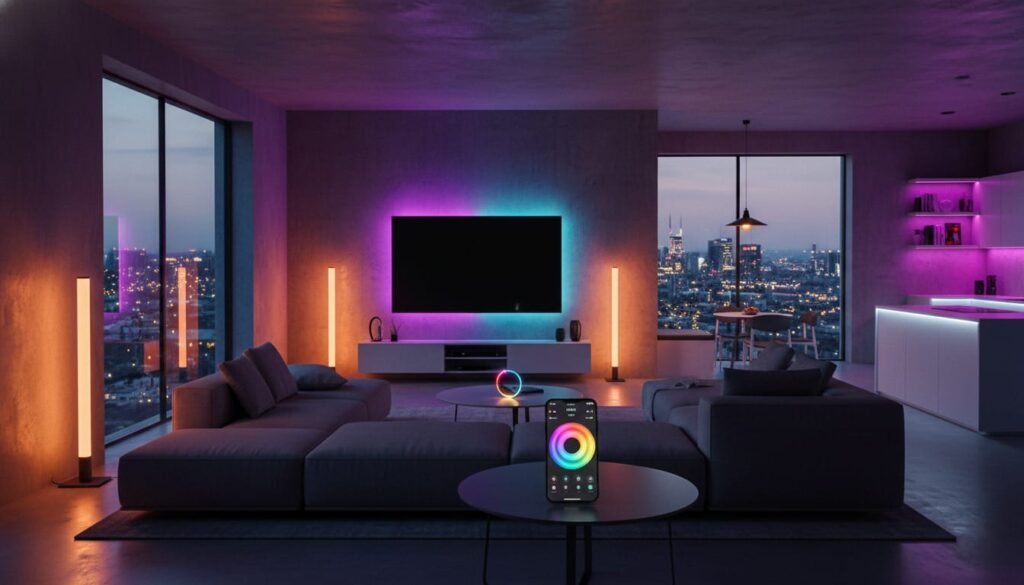
The future of smart lighting holds exciting possibilities that will change how we use light in homes and offices. To understand these changes, it’s important to know what is smart lighting and how it continues to evolve. Modern smart lighting systems are moving beyond simple on/off functions, offering intelligent features like automated brightness control, energy-efficient LED technology, and personalized lighting scenes. These innovations aim to improve comfort, reduce power consumption, and support a greener environment. Exploring these advanced smart home lighting trends helps us see the growing role of smart lighting in everyday life.
Advancements In AI Integration
Artificial Intelligence (AI) is becoming a key part of smart lighting systems. AI enables lights to learn user habits and automatically adjust for comfort and efficiency. This means lighting can adapt without manual controls.
- Personalized lighting: AI can remember preferred brightness and color for different times of day.
- Predictive adjustments: Lights change based on weather, natural light, or room occupancy.
- Voice control: Enhanced AI understands natural language better for smoother interaction.
AI also helps reduce energy waste. Lights turn off or dim when rooms are empty. Sensors and AI work together to optimize usage.
| Feature | Benefit | Example |
|---|---|---|
| Learning Algorithms | Automatically adjusts the lighting schedule | Lights brighten before user wakes up |
| Occupancy Sensors | Turns lights off in empty rooms | Office lights off after work hours |
| Voice Recognition | Hands-free control | Change light color by voice command |
These AI features make smart lighting more intuitive and efficient. Future systems will offer even smarter responses and better energy management.
Sustainable Lighting Solutions
Smart lighting will play a big role in sustainability. Reducing energy consumption is a major goal. New technologies focus on eco-friendly materials and energy-saving designs.
Key trends include:
- LED technology: Continues to improve, using less power and lasting longer.
- Solar-powered lights: Use renewable energy to reduce electricity use.
- Smart sensors: Prevent lights from staying on unnecessarily.
- Recyclable materials: New light fixtures made from sustainable parts.
Smart lighting systems often integrate with energy management platforms. This helps track and reduce carbon footprints. Here is a comparison of traditional vs. sustainable smart lighting:
| Aspect | Traditional Lighting | Sustainable Smart Lighting |
|---|---|---|
| Energy Use | High, often wasteful | Low, optimized with sensors |
| Lifespan | Shorter bulbs | Long-lasting LEDs |
| Environmental Impact | More waste and emissions | Reduced waste, recyclable parts |
| Control | Manual switches | Automated and remote control |
Moving toward sustainable smart lighting helps save money and protect the planet. This trend will grow as more people adopt green technologies.
Frequently Asked Questions
What Is Smart Lighting Technology?
Smart lighting technology uses connected devices to control lights remotely. It offers convenience, energy savings, and customizable lighting scenes.
How Does Smart Lighting Work At Home?
Smart lights connect via Wi-Fi or Bluetooth. Users control them through apps, voice commands, or automation systems.
What Are The Benefits Of Smart Lighting?
Smart lighting improves energy efficiency, enhances home security, and allows personalized lighting settings for comfort.
Can Smart Lighting Save Energy And Reduce Costs?
Yes, smart lighting uses sensors and schedules to reduce power use, lowering electricity bills effectively.
Conclusion
Understanding what is smart lighting is helps you see how it can make your home more comfortable, efficient, and modern. With features like voice control, app-based lighting management, and automatic brightness adjustment, smart lighting creates the perfect atmosphere for any moment. It also saves energy, reduces electricity bills, and offers greater convenience and safety.
This advanced smart home lighting system supports long-lasting LED bulbs and customizable lighting scenes, making everyday life easier. Try adding smart lighting to your home, you’ll quickly notice how even small upgrades in smart home automation can bring big improvements to your living space.