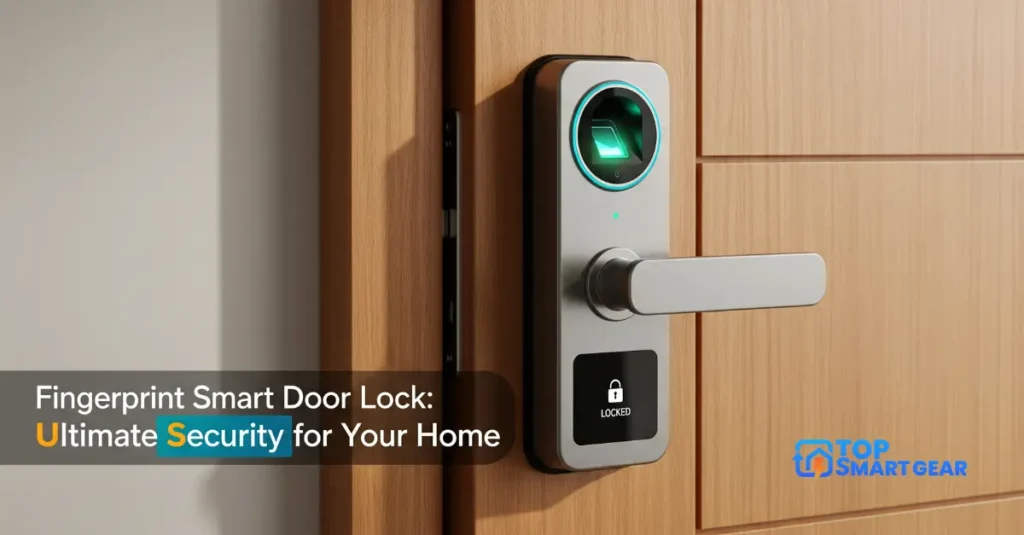
Imagine never fumbling for your keys again or worrying about lost copies falling into the wrong hands. A fingerprint smart door lock puts the power of security right at your fingertips literally.
If you want a simple, fast, and highly secure way to protect your home or office, this technology is designed for you. Keep reading to discover how this innovation can transform your daily life and give you peace of mind like never before.

Credit: lockly.com
Benefits Of Fingerprint Smart Locks
Fingerprint smart locks offer many benefits that improve home security and ease of use. These locks use your unique fingerprint to control access. This method is simple and safe, making it a popular choice for many homeowners. The following sections explain key benefits of fingerprint smart locks.
Enhanced Security Features
Fingerprint locks provide strong protection against unauthorized entry. Only registered fingerprints can open the door. This reduces the risk of lost or stolen keys being misused. Many models include alarms that alert you to tampering. Some locks also log access times, helping you monitor who enters your home.
Convenience And Speed
Accessing your home is quick with a fingerprint lock. No need to carry or search for keys. Just place your finger on the sensor, and the door opens instantly. This is especially useful when your hands are full or during bad weather. The technology allows multiple users to register their fingerprints easily.
Eliminating Key-related Issues
Fingerprint locks remove common problems with traditional keys. No more losing or forgetting keys. No need to make extra copies for family or friends. You avoid lockouts caused by misplaced keys. The system also prevents unauthorized key duplication, increasing overall safety.
How Fingerprint Locks Work
Fingerprint smart door locks use unique fingerprint patterns to allow or deny access. They scan your fingerprint and match it with stored data. This process is fast and highly secure. Understanding how these locks work helps you see their benefits and trust their technology.
Biometric Scanning Technology
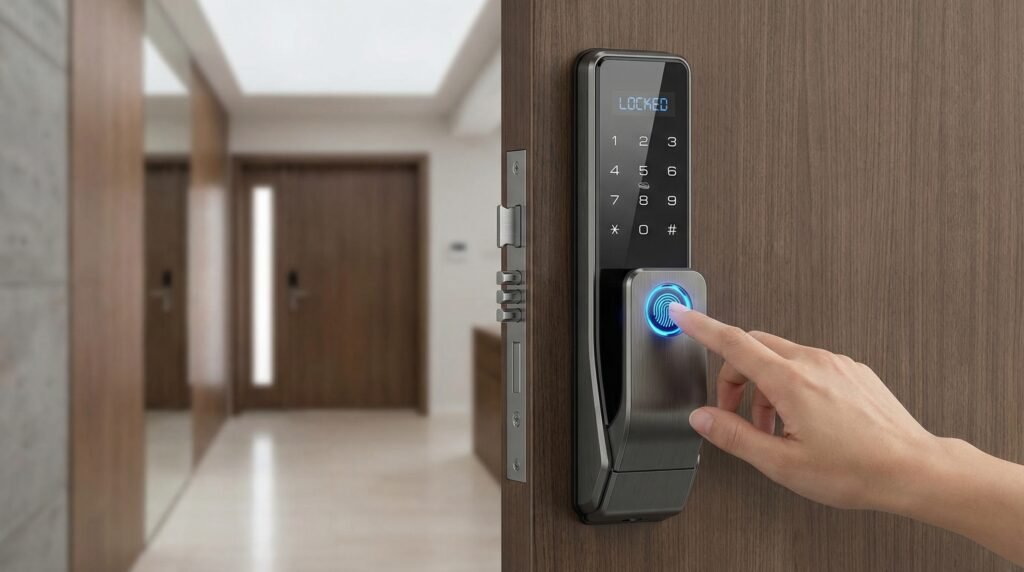
Fingerprint locks use sensors to read your fingerprint. These sensors capture the ridges and valleys on your finger. The device converts this pattern into a digital code. The code is unique for each person. The scanner checks this code every time you try to open the door.
Enrollment And Recognition Process
First, you must enroll your fingerprint in the lock system. The lock scans your finger several times for accuracy. It saves the digital code in its memory. When you place your finger later, the lock compares the scan to saved codes. If it matches, the lock opens. This process takes only seconds.
Data Storage And Privacy
Fingerprint data is stored inside the lock, not in the cloud. This keeps your information safe and private. The data is encrypted, making it hard to steal or copy. Only authorized fingerprints can access the door. The system does not save images; it only saves patterns. This protects your privacy.
Choosing The Right Fingerprint Lock
Choosing the right fingerprint door lock is essential for home security and convenience. Not all locks suit every door or lifestyle. Understanding key features helps find the perfect fit. Focus on compatibility, power options, and access methods. These factors ensure smooth use and lasting performance.
Compatibility With Door Types
Doors come in many materials and thicknesses. Some fingerprint locks fit only wooden or metal doors. Check the lock’s specifications before buying. Make sure it matches your door’s size and style. A wrong fit causes installation problems and poor security. Choose a lock designed for your specific door type.
Battery Life And Power Options
Fingerprint locks depend on batteries for power. Battery life varies between models. Look for locks with long-lasting batteries to reduce replacements. Some locks offer rechargeable batteries or backup power options. These features keep your lock working during power loss. Always consider how easy it is to change or charge batteries.
Additional Access Methods
Fingerprint scanning is the main feature. Still, extra access methods add flexibility. Many locks include keypads for PIN codes or traditional keys. Some allow remote access via smartphone apps. Multiple options help during emergencies or when guests arrive. Choose a lock with access methods that fit your daily needs.

Credit: www.amazon.com
Installation And Maintenance Tips
Installing and maintaining a fingerprint smart door lock requires some care. Proper setup ensures the lock works well. Good maintenance helps the lock last longer and stay reliable.
Follow these tips to keep your lock in top shape. Learn about installation options, cleaning, and fixing common problems.
Diy Vs Professional Installation
Some people choose to install the lock themselves. This can save money and be quick. But it needs careful reading of the manual. Tools must be ready, and steps must be followed exactly.
Professional installation is safer for most users. Experts know how to fit the lock correctly. They avoid mistakes that cause malfunctions. Professionals also check if the door fits the lock well.
Choose DIY only if you feel confident and have basic skills. Otherwise, hiring a pro is the best choice.
Regular Cleaning And Calibration
Fingerprint sensors need regular cleaning to work well. Use a soft, dry cloth to wipe the sensor gently. Avoid water or harsh chemicals that can damage it.
Calibration keeps the sensor accurate. Some locks ask for recalibration after months of use. Follow the lock’s instructions to reset the sensor. This helps the lock read fingerprints better.
Keep the battery fresh. Replace it as needed to avoid lock failure.
Troubleshooting Common Issues
Sometimes the lock may not recognize your fingerprint. Clean the sensor first. Dry your finger before scanning.
If the lock does not respond, check the battery level. Replace batteries if low. Restart the lock by following the manual’s reset steps.
For stuck or jammed locks, inspect the door alignment. Adjust the door or lock parts gently.
Contact support if problems continue after basic fixes.
Comparing Fingerprint Locks To Traditional Locks
Fingerprint entry door lock offers a modern alternative to traditional locks. They use biometric technology to identify users by their fingerprints. Traditional locks rely on physical keys and mechanical parts. Comparing these two types of locks helps understand their benefits and drawbacks. Below are key areas to consider.
Security Levels
Fingerprint locks provide high security by using unique biometric data. It is almost impossible to copy a fingerprint. Traditional locks can be picked or keys can be lost or copied. Some traditional locks offer strong protection but often depend on the keyholder’s care. Fingerprint locks reduce the risk of unauthorized access.
Cost Considerations
Fingerprint smart locks usually cost more upfront than traditional locks. Installation can also be more complex and costly. Traditional locks are cheaper and widely available. Maintenance costs for fingerprint locks may include battery replacements and software updates. Traditional locks rarely need much maintenance beyond occasional lubrication.
User Experience
Fingerprint locks offer convenience by eliminating the need for keys. Users can enter quickly with just a touch. Traditional locks require carrying and managing physical keys. Losing keys can cause inconvenience and extra costs. Fingerprint locks can store multiple users’ data, making access easy for families or offices.
Future Trends In Smart Lock Technology
Smart lock technology continues to evolve, making homes safer and easier to access. The future of fingerprint smart door locks looks bright. New trends will bring better security and more convenience. These changes will help locks work well with other smart devices. They will also improve the speed and accuracy with which locks recognize fingerprints. Connectivity will grow stronger, giving users more control over their locks.
Integration With Smart Home Systems
Smart locks will connect more smoothly with other smart home devices. They will work with lights, cameras, and alarms. This lets users create security routines. For example, the door can lock, and the lights turn off automatically. Voice assistants like Alexa or the Google Assistant can easily control locks. Integration means better home security management from a single app.
Advancements In Biometric Sensors
Fingerprint sensors will become faster and more precise. New sensors will read fingerprints even if fingers are wet or dirty. They will also resist fake fingerprints better. This makes smart locks safer. Some models may include additional biometrics, such as facial recognition or palm scanning. These features increase security and ease of use.
Improved Connectivity And Features
Smart locks will use stronger wireless connections like Wi-Fi 6 or 5G. This means faster response and fewer connection drops. Remote access will improve, allowing users to control locks from anywhere. New features may include temporary access codes and detailed activity logs. These tools help users manage who enters their home and when.
Frequently Asked Questions
What Is A smart lock with a fingerprint sensor?
A keyless fingerprint door lock uses biometric technology to grant access. It scans and recognizes unique fingerprints. This ensures only authorized users can enter. It offers enhanced security and convenience compared to traditional locks.
How Does A Fingerprint Door Lock Enhance Security?
Fingerprint door locks prevent unauthorized entry by using unique biometric data. They eliminate risks of lost or stolen keys. The system is difficult to hack or duplicate. This makes homes and offices safer from break-ins.
Can Fingerprint Smart Locks Work Without Electricity?
Most fingerprint-enabled smart locks have battery backup. They continue functioning during power outages. Some models include mechanical key overrides for emergencies. This ensures uninterrupted access and security in all situations.
Are Fingerprint Smart Locks Easy To Install?
Yes, many fingerprint smart locks are designed for DIY installation. They often fit standard door sizes and pre-existing lock holes. Clear instructions and minimal tools are usually required. Professional installation is optional but available.
Conclusion
Fingerprint smart door locks offer strong security and easy access. They save time by removing the need for keys. These locks protect your home from unwanted entry. Many models include extra features like alarms and remote control. They fit well in homes and offices alike.
Choosing the right lock helps keep your space safe. This technology blends convenience with safety in daily life. Consider a fingerprint lock for better home protection today.