Have you ever wondered how secure are smart door locks and whether they truly keep your home safe? With so many options on the market, it’s easy to feel unsure which locks offer real protection.
You want to protect what matters most—your family, your belongings, your peace of mind. But how do you know if a smart lock can be trusted to do that? You’ll discover the facts behind smart door lock security and what you need to look for to keep your home secure.
Keep reading—your safety depends on it.
Smart Door Lock Technology
Smart door lock technology changes how we secure our homes. It offers more control and convenience than traditional locks. These locks use electronic systems to manage access. Understanding their technology helps in choosing the right one for your needs.
Types Of Smart Locks
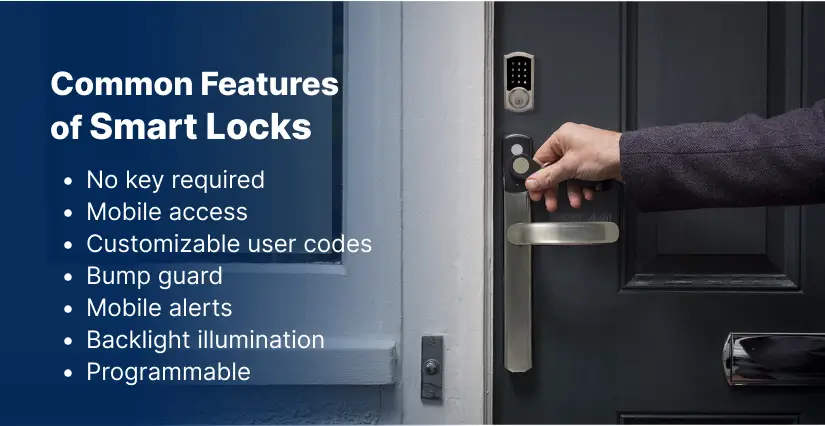
Smart locks come in different types. Keypad locks use a code to open the door. Bluetooth locks connect to your phone within close range. Wi-Fi locks allow control from anywhere using the internet. Some locks combine these technologies for extra options.
How Smart Locks Work
Smart locks use sensors and software to control access. They detect your phone or a code you enter. When verified, the lock opens automatically. Some models send alerts about lock status or attempts to enter. This adds an extra layer of security.
Connectivity Options
Smart locks connect through various methods. Bluetooth works within short distances. Wi-Fi offers remote control from anywhere. Z-Wave and Zigbee connect to home automation systems. Each option affects battery life and ease of use differently.
Credit: www.cornerstoneprotection.com
Common Security Risks
Smart door locks provide convenience, but many ask how secure are smart door locks. Understanding potential risks helps users make safer choices. Here are some common security concerns associated with smart locks.
Hacking Vulnerabilities
Smart locks connect to the internet or Bluetooth. This connection can be a target for hackers. They may try to access the lock remotely. Weak passwords and outdated software increase risk. Hackers can exploit these gaps to unlock doors.
Physical Tampering
Attackers can try to break or pick smart locks. Some models have physical keys as backup. These keys can be copied or stolen. Others may have weak parts that are easy to force open. Physical attacks can bypass digital security features.
Privacy Concerns
Smart locks collect data about user access. This data can include times and user identity. If not protected well, this information can be leaked. Privacy breaches may expose personal habits or home routines. Proper data handling is vital to protect user privacy.
Real-world Breach Examples
Smart door locks offer convenience and modern security. Yet, they are not immune to breaches. Real-world examples show how hackers find weaknesses. These incidents teach important lessons about smart lock safety.
Notable Smart Lock Hacks
In 2016, researchers hacked a popular smart lock using radio signals. They bypassed encryption and unlocked the door remotely. Another case involved a Wi-Fi smart lock. Hackers exploited weak passwords and gained full access. Some attacks used Bluetooth flaws. They intercepted signals and unlocked doors without the owner knowing. These events reveal real risks in smart lock systems.
Lessons Learned
Weak passwords make smart locks vulnerable. Strong, unique passwords are essential. Keeping software updated blocks many hacking attempts. Encryption must be strong and correctly used. Users should avoid default settings and factory codes. Physical security matters too. Locks should resist tampering or forced entry. Awareness of risks helps users protect their homes better.
Security Features To Look For
Smart door locks offer many benefits, but security matters most. Choosing the right lock means checking its safety features. These features protect your home and give you peace of mind. Here are the key security features to watch for in smart door locks.
Encryption Standards
Encryption keeps your lock’s data safe from hackers. Look for locks that use strong encryption, like AES-128 or AES-256. These codes scramble your information, making it hard to steal. Good encryption stops attackers from copying your digital key.
Two-factor Authentication
Two-factor authentication adds a second step to unlock your door. It might ask for a code sent to your phone or a fingerprint scan. This extra step blocks intruders who only have one piece of information. It makes your lock much harder to break into.
Automatic Locking Mechanisms
Automatic locking means the door locks itself after a set time. It helps avoid leaving the door open by mistake. This feature works well for busy households or when you forget to lock up. It keeps your home protected without extra effort.

Best Practices For Users
Smart door locks add convenience to home security, but many wonder how secure are smart door locks. Following key steps can keep these locks safe. Simple actions help protect against hacking and unauthorized access, and the best practices below strengthen your smart locks’ security.
Regular Firmware Updates
Smart locks run on software called firmware. Manufacturers release updates to fix bugs and improve safety. Installing these updates quickly closes security gaps. Check for updates often and apply them as soon as possible. Avoid skipping updates to keep your lock protected.
Strong Passwords
Create strong passwords for your Lock’s app and account. Use a mix of letters, numbers, and symbols. Avoid easy words like “password” or “1234.” Change passwords regularly to reduce risk. Never share your password with others. A strong password stops many hacking attempts.
Network Security Tips
Smart locks connect to your home Wi-Fi. Protect your Wi-Fi with a strong password too. Use WPA3 or WPA2 encryption for your router. Turn off guest networks when not needed. Consider using a separate network for smart devices. Secure networks stop intruders from reaching your lock.
Future Of Smart Lock Security
The future of smart lock security holds many changes. Technology keeps growing fast. This growth helps make smart locks safer and easier to use. New tools and rules will shape how secure these locks become.
Smart locks will use advanced methods to protect homes. Users will learn more about keeping their locks safe. Both technology and knowledge will work together to improve security.
Emerging Technologies
Smart locks will use better sensors and stronger encryption. Biometric features like fingerprint and face recognition will be common. Some locks may connect to artificial intelligence to detect threats. These technologies help stop hacking and break-ins.
Industry Standards
New rules will guide how smart locks are built and tested. Standards ensure all locks meet security and privacy needs. This makes it easier for buyers to trust smart locks. Companies will follow these rules to better protect users.
User Education
Users need to know how to use smart locks safely. Learning about passwords, updates, and alerts is key. Simple guides and tips will help users avoid mistakes. Good education lowers risks and keeps homes secure.
Frequently Asked Questions
How Secure Are Smart Door Locks Against Hacking?
Smart door locks use encryption to protect data and prevent hacking. However, vulnerabilities exist in some models. Regular firmware updates and strong passwords improve security significantly. Choose locks from reputable brands with robust security features for the best protection.
Can Smart Locks Be Easily Bypassed Or Picked?
Smart locks are harder to pick than traditional locks due to digital mechanisms. Still, some models may have physical key options that pose risks. High-quality smart locks combine electronic and mechanical security to effectively reduce the risk of bypass.
Do Smart Door Locks Protect Privacy And Data?
Most smart locks encrypt user data to ensure privacy. However, data breaches can occur if connected devices are compromised. Using secure Wi-Fi networks and strong passwords helps safeguard your personal information from unauthorized access.
What Happens If Smart Lock Batteries Die?
Most smart locks provide low battery alerts to prevent lockouts. Some models allow mechanical key override in emergencies. Regularly checking battery levels and replacing batteries on time ensures continuous lock functionality.
Conclusion
Smart door locks provide strong security but aren’t perfect. To understand how secure are smart door locks, note that while they often protect homes better than traditional locks, they can still face issues like hacking or power failures. Choosing a reliable brand and keeping software updated helps maintain safety.
Combining smart locks with other security steps adds extra protection. Always stay aware of potential risks and keep your devices secure. Smart locks bring convenience with caution.