Imagine having complete control over your home’s safety right at your fingertips. What is smart home security system? It’s a solution that keeps your home protected while making your life easier through connected devices and real-time alerts.
But what exactly is a smart home security system, and how can it benefit you? If you want to feel safer, save time, and stay connected to your home no matter where you are, this article is for you. Keep reading to discover how this technology can transform your everyday security and give you peace of mind like never before.
Credit: www.security.org
Smart Home Security Basics
Smart home security systems protect homes using technology. They help keep homes safe and give owners control from anywhere. These systems combine sensors, cameras, and alarms to watch over properties. Users get alerts on their phones if something unusual happens. Understanding the basics helps choose the right system for any home.
Key Components
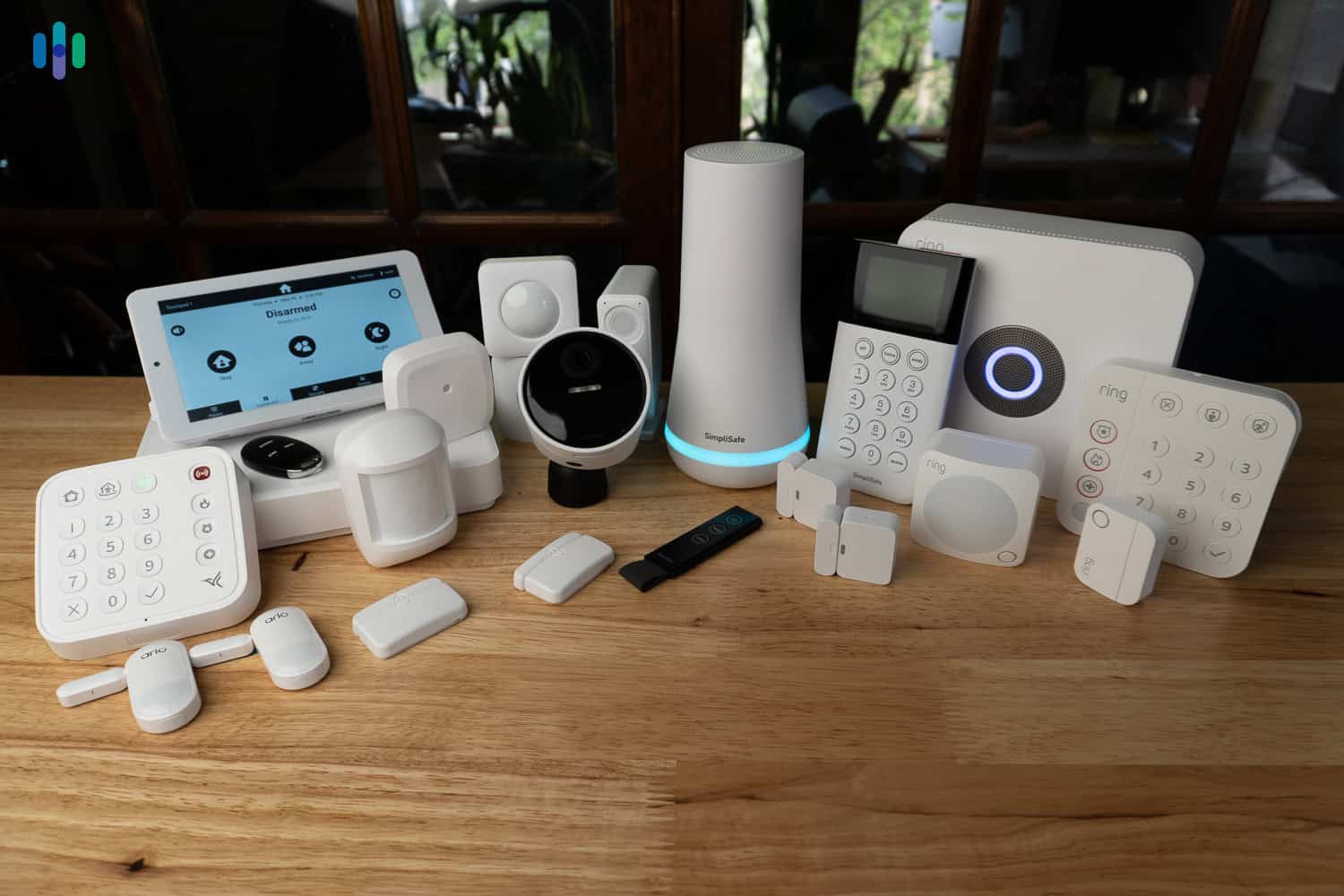
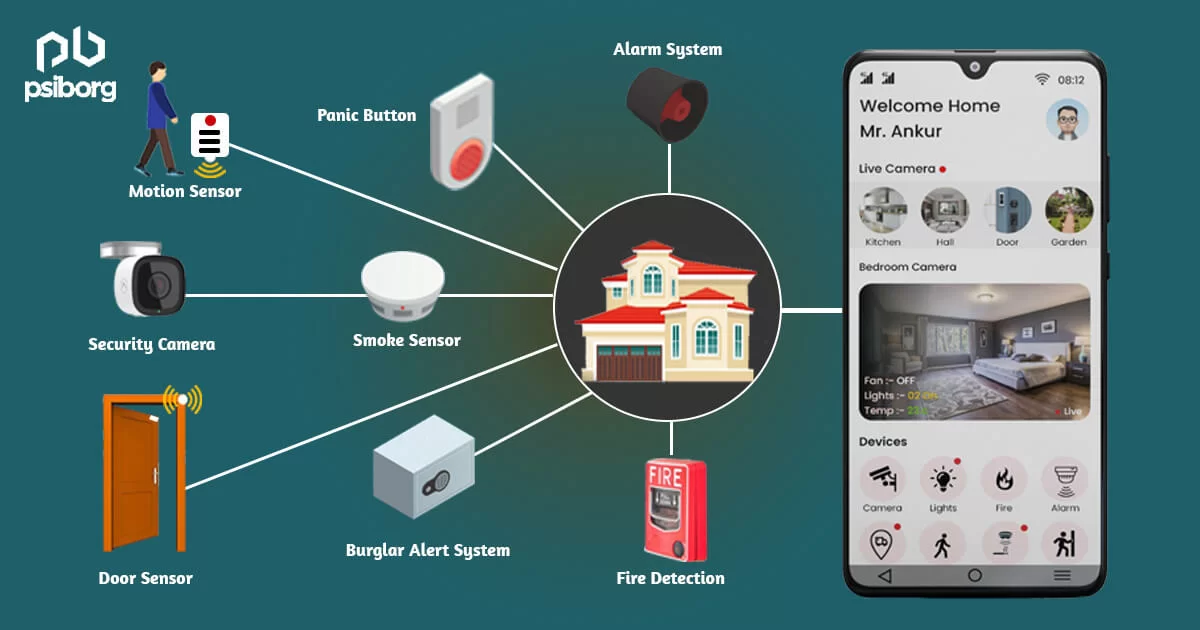
Smart home security has several main parts. Sensors detect motion, doors opening, or glass breaking. Cameras record video and send live feeds. Alarms sound loud warnings to scare off intruders. Control panels connect all devices and manage settings. Mobile apps let users check status and control the system remotely.
How It Works
Sensors constantly monitor doors, windows, and rooms. If a sensor triggers, the system alerts the user quickly. Cameras start recording and send live videos to phones. The control panel can activate alarms or call emergency services. Users can arm or disarm the system using a smartphone app. This setup helps catch problems early and act fast.
Types Of Systems
There are wired and wireless smart home security systems. Wired systems connect devices through cables for stable signals. Wireless systems use Wi-Fi or Bluetooth, offering easy installation. Some systems include professional monitoring services. Others rely on self-monitoring through smartphone alerts. Choose based on home size, budget, and personal needs.

Credit: www.researchgate.net
Benefits Of Smart Security
Smart home security systems bring many benefits. They improve safety and give peace of mind. These systems use modern technology to protect homes better than traditional alarms. They also make it easier to watch over your property anytime.
Enhanced Protection
Smart security systems offer strong protection. Sensors detect movement, glass breaks, or doors opening. Cameras send live video to your phone. Alerts come instantly if something unusual happens. This quick response can stop problems early.
Remote Monitoring
You can watch your home from anywhere. Use a smartphone app to check cameras and sensors. See who is at the door or if windows are open. This control helps you stay connected and secure, even when away.
Integration With Devices
Smart security works well with other smart devices. Connect lights, locks, and alarms for better safety. For example, lights can turn on if a sensor triggers. Locks can be controlled remotely to let guests in safely.
Popular Smart Security Devices
What is smart home security system? It’s a setup made of multiple smart devices that work together to protect your house. These devices connect to your phone or tablet, making them easy to control. Many people use them to monitor their home remotely and receive alerts if anything unusual happens. Here are some popular smart security devices you should know about.
Smart Cameras
Smart cameras let you see what happens in and around your home. They send live video to your phone. Many have night vision to see in the dark. Some cameras can talk to visitors through a speaker. They also record video when they detect movement. This helps you keep an eye on your property at all times.
Motion Sensors
Motion sensors detect movement inside or outside your home. They send alerts to your phone if they sense something unusual. These sensors can turn on lights automatically. This scares away intruders and keeps your home bright. They work well in hallways, rooms, and outdoor areas.
Smart Locks
Smart locks replace traditional keys with digital codes or apps. You can lock or unlock your door using your phone. Some smart locks let you give temporary access to visitors. They increase home security by controlling who enters your house. You can also check if your door is locked from anywhere.
Alarm Systems
Smart alarm systems alert you and the authorities if there is a break-in. They connect with sensors and cameras for full protection. You can arm or disarm the alarm using an app. Loud alarms scare off intruders and warn neighbors. These systems help keep your home safe day and night.
Installation Tips
Installing a smart home security system needs careful planning. Proper setup ensures better protection and smooth operation. Follow these tips to make the process easier and more effective.
Diy Vs Professional Setup
Some systems are simple enough for DIY installation. This saves money and gives control over the process. Read instructions carefully and watch tutorial videos. Use the right tools and take your time.
Professional setup suits complex systems or larger homes. Experts install devices quickly and correctly. They test the system and fix issues on the spot. Choose professionals with good reviews and proper licenses.
Placement Strategies
Place cameras at entrances and high-traffic areas. Avoid pointing cameras at windows to prevent glare. Sensors should cover all doors and windows. Install devices at recommended heights for best detection.
Keep motion detectors away from heat sources and vents. Avoid placing devices near pets’ common paths. Proper placement reduces false alarms and increases safety.
Network Requirements
A strong Wi-Fi connection is essential for smart security. Position your router near the main control panel. Use Wi-Fi extenders if signals are weak in some areas.
Check that your internet speed supports multiple devices. Secure your network with a strong password. Regularly update firmware to protect against cyber threats.
Managing And Maintaining Your System
Managing and maintaining your smart home security system is important for reliable protection. Regular care helps avoid problems and keeps the system working well. Simple tasks can improve security and extend the system’s life. Understanding basic upkeep steps makes ownership easier and safer.
Regular Updates
Keep your system software up to date. Updates fix bugs and add new features. They also protect against security threats. Set your system to update automatically if possible. Check for updates manually when needed. This small step keeps your system strong.
Troubleshooting Common Issues
Some problems can happen with smart home security. Cameras might lose connection or sensors may not respond. Restart devices to fix many issues. Check your Wi-Fi signal and power supply. Follow the user guide for specific solutions. Contact support if problems continue.
Ensuring Privacy And Security
Protect your personal data by using strong passwords. Change default passwords right away. Use two-factor authentication if available. Limit who can access your system remotely. Regularly review and update user permissions. These actions keep your home and data safe.
Cost And Budget Considerations
Understanding the costs of a smart home security system helps you plan your budget well. Knowing the expenses upfront avoids surprises later. This section breaks down the main costs involved.
Initial Investment
The first cost is buying the equipment. This includes cameras, sensors, alarms, and hubs. Prices vary based on features and brand. Basic kits start low, but advanced systems cost more. Installation fees may apply if you hire a professional.
Subscription Fees
Many smart security systems need monthly or yearly fees. These cover cloud storage, video recording, and app access. Some companies offer free basic plans with limited features. Paid plans offer better security and extra tools. Consider these fees as part of your ongoing budget.
Long-term Savings
Smart security can reduce insurance costs. Some providers give discounts for installed systems. It may also prevent theft or damage, saving money on repairs. Remote monitoring helps you avoid false alarms. Over time, these savings can balance the initial and subscription costs.
Future Trends In Smart Home Security
The future of smart home security holds exciting possibilities. New trends will make homes safer and smarter. Technology will improve every part of security systems. These changes will help protect homes better and make life easier.
Ai And Machine Learning
AI will help security systems learn and adapt. Cameras will recognize faces and detect unusual actions. Machine learning will reduce false alarms by understanding normal behavior. Systems will become smarter over time without needing manual updates.
Improved Connectivity
Faster internet and 5G will improve device connections. Security devices will communicate instantly with each other. This will allow quicker responses to threats. It also means remote monitoring will work more smoothly on smartphones.
Smart Home Integration
Security will link with other smart home devices. Lights, locks, and alarms will work together automatically. For example, lights can turn on if motion is detected at night. This creates a seamless and stronger security setup for homes.
Credit: kdfoundation.org
Frequently Asked Questions
What Is A Smart Home Security System?
A smart home security system uses connected devices to protect your home. It integrates cameras, sensors, alarms, and smart locks. You can monitor and control it remotely via smartphone apps, ensuring real-time alerts and enhanced safety.
How Does Smart Home Security Work?
Smart home security works through internet-connected devices. Sensors detect motion or breaches and send alerts to your phone. Cameras stream live video. The system uses automation and AI to respond quickly to threats, making your home safer and smarter.
Are Smart Home Security Systems Easy To Install?
Yes, most smart home security systems are easy to install. They often come with wireless devices and user-friendly apps. You can set them up without professional help, saving time and money while ensuring effective home protection.
Can Smart Home Security Systems Prevent Break-ins?
Smart home security systems can deter break-ins with alarms and visible cameras. Real-time alerts notify you and authorities instantly. Automated lighting and remote monitoring add extra layers of security, reducing the risk of burglary.
Conclusion
What is smart home security system? It’s a setup that keeps your home safe and sound using smart devices like cameras and sensors. You can monitor your home anytime from your phone. These systems send alerts if something unusual happens. Setup is easy and fits many budgets.
They help protect your family and belongings. Choosing the right system depends on your needs. Smart security makes home safety simple and smart. It brings peace of mind every day.